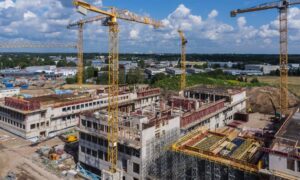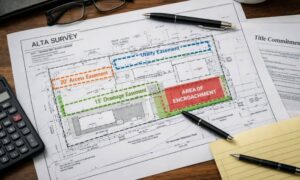

Atlanta has been one of the fastest-growing construction markets in the Southeast. Over the last few years, large data centers have played a big role in that growth. They brought new land deals, fast-tracked schedules, and complex site work. However, recent moves by Georgia lawmakers and utilities have slowed things down. This pause, often called the “data center freeze,” is already changing how projects move forward. For construction surveyors, this moment matters. When rules tighten and approvals slow, good survey work becomes more valuable, not less. Developers, owners, and lenders now want clarity early. They want fewer surprises. They want confidence before they spend money. That shift puts surveyors at the center of smarter planning.
Why Georgia’s Data Center Freeze Is a Big Deal
Data centers use a huge amount of power and water. Because of that, state agencies and utility providers have started to slow approvals. In some cases, they are reviewing zoning, infrastructure capacity, and long-term impact before allowing new projects to move forward.
Atlanta sits right in the middle of this issue. The metro area has strong fiber access, growing power networks, and available land. That made it attractive for data center development. Now, those same factors are under closer review.
As a result, developers face longer timelines. Investors ask more questions. Lenders want proof that a site truly works. This is where construction surveyors step in.
How This Shift Affects Real Construction Projects
When approvals slow down, every early decision matters more. A small mistake on paper can lead to months of delay later. Because of this, project teams now focus heavily on site accuracy before design and permitting.
For example, unclear boundaries can stop a project cold. Utility conflicts can force redesigns. Elevation errors can affect drainage and stormwater plans. Each of these issues links directly to surveying.
Instead of rushing to break ground, many developers now pause to double-check their data. They want to know if the site truly supports the intended use. That creates a stronger role for construction surveyors from day one.
The Changing Role of Construction Surveyors
In the past, some teams viewed surveying as a quick step before construction. Today, that mindset no longer works. With tighter oversight, surveyors help guide decisions, not just measure land.
Construction surveyors now support projects by confirming what is possible before plans go too far. They help teams avoid risky assumptions. They also provide reliable data engineers and planners can trust.
Because Atlanta projects often involve mixed-use sites, utility corridors, and nearby developments, accuracy matters more than ever. A single missed detail can lead to a costly redesign. Surveyors reduce that risk.
Why Early Survey Work Saves Time and Money
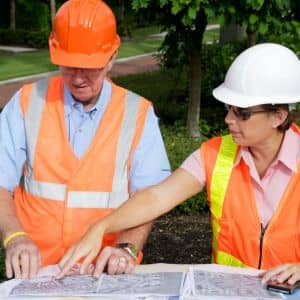
Some clients worry that extra survey work adds cost. In reality, early surveying often saves money. It also protects schedules.
When a construction surveyor identifies issues early, the team can adjust before permits go out. That avoids rework later. It also keeps projects moving even when regulations change mid-process.
For example, if a site sits near a power or water limitation zone, survey data helps planners respond quickly. Instead of guessing, they work from facts. That makes resubmissions faster and approvals smoother.
Because of the data center freeze, many projects now face extra review. Surveyors who deliver clear, complete data help clients stay one step ahead.
What Developers and Property Owners Expect Now
Today’s clients are more cautious. They ask better questions. They want clear answers before they commit funds.
Many now expect construction surveyors to flag risks, not just map lines. They want to know if setbacks work. They want confirmation of access points. They also want confidence that grading plans will pass review.
This shift creates opportunity. Surveyors who explain findings clearly build trust. Clients remember who helped them avoid problems. Over time, that leads to repeat work and referrals.
How Construction Surveyors Should Prepare
First, communication matters more than ever. Surveyors must explain results in simple terms. Clients do not want technical language. They want clarity.
Second, staying current with local review trends helps. While surveyors do not control policy, they support teams navigating it. Knowing what agencies focus on allows better preparation.
Third, accuracy and completeness matter. Partial data no longer works in a cautious market. Complete surveys help projects move forward even under tighter rules.
Finally, responsiveness sets professionals apart. When timelines stretch, clients value fast answers. Surveyors who respond quickly earn trust.
Why Local Experience Makes a Difference
Atlanta is not a simple market. Sites often sit near existing development, shared utilities, and layered zoning rules. Construction surveyors who know the area understand these challenges.
Local experience helps identify common issues early. It also helps teams coordinate with engineers, planners, and inspectors more smoothly. That teamwork matters when approvals slow down.
As data center projects face extra review, local insight becomes even more valuable. Clients want surveyors who understand unique conditions.
Turning Uncertainty Into Opportunity
The data center freeze may feel like a setback. However, it also pushes the industry toward better planning. Projects that move forward will rely on solid information, not assumptions.
For construction surveyors, this is a chance to lead. By supporting smarter decisions, surveyors help clients move with confidence. They reduce risk. They protect budgets. They keep projects on track.
In a cautious market, clarity wins. Surveyors who deliver clear, reliable data become essential partners, not just service providers.
Final Thoughts
Georgia’s pause on data center growth sends a clear message. Development must be thoughtful, accurate, and well-supported. In Atlanta, that reality places construction surveyors at the center of successful projects.
Now is the time to lean into that role. By focusing on early involvement, clear communication, and precise work, construction surveyors can help clients navigate change with confidence.
Uncertainty may slow projects, but good surveying keeps them moving forward.