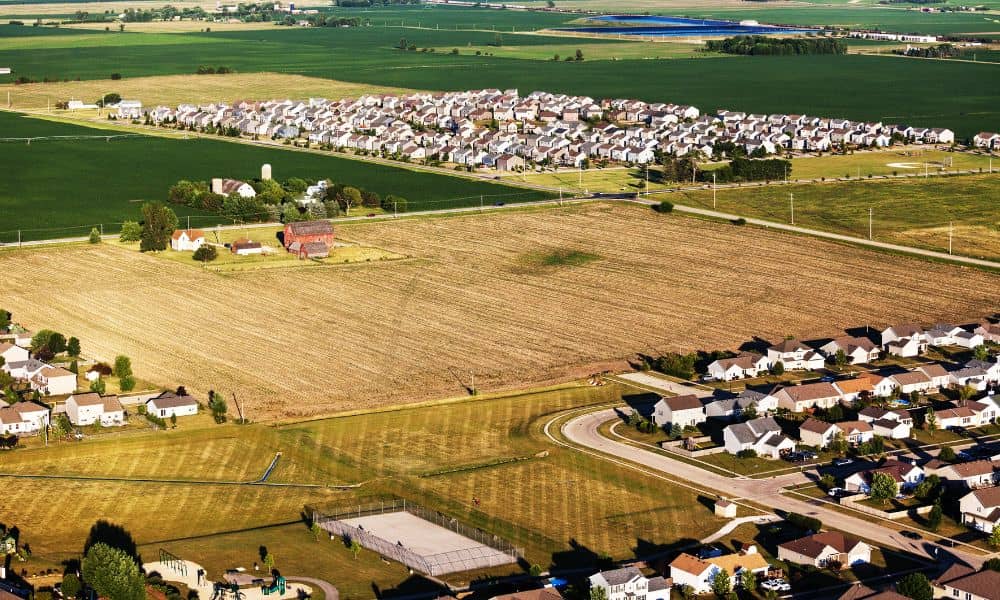
Planning a new neighborhood takes more than a sketch on a map. Good subdivision design depends on accurate data, smart engineering, and a clear understanding of the land. When developers skip these steps, projects suffer from drainage problems, unexpected soil issues, and higher construction costs. However, when a design starts with the right tools—like LIDAR mapping, soil testing, and well-built grading models—the entire project becomes easier, faster, and much more predictable.
Today, more civil engineering firms use advanced technology to help developers avoid risk. This approach gives clients a clearer view of how the land will behave before the first bulldozer arrives. It also helps contractors plan their work, which reduces errors and delays. So, let’s break down how these tools work together and why they matter, especially in fast-growing areas where land challenges change from site to site.
Why Accuracy Matters in Modern Subdivision Projects
Every piece of land has its own story. Some sites slope sharply, and others hold more water than expected. A few may look buildable at first but hide soil layers that cause pavement cracks or foundation problems later. Because of these risks, designers now start every project with high-quality data.
The goal is simple: understand the land well enough to make smart choices early. When engineers see the true shape of the terrain and study the soil in detail, they can design streets, lots, and stormwater systems that work well for decades. This level of accuracy also cuts back on surprises, which keeps budgets and timelines under control.
How LIDAR Creates the First Layer of a High-Accuracy Design
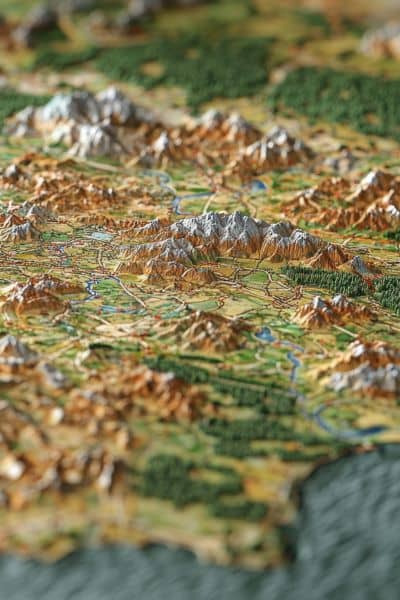
LIDAR is one of the most helpful tools in civil engineering today because it gives engineers a clearer view of the land than almost anything else. When a team begins a site study, they often start with LIDAR-based land mapping, which creates a detailed picture of the ground using millions of laser points. This gives them a realistic look at the terrain instead of a rough outline from older methods.
With this level of detail, it becomes easier to see how the land truly behaves. Even small changes in elevation can shift how water flows, so accurate mapping helps engineers:
- See natural drainage paths
- Spot problem areas that may flood
- Find the best places for roads and building pads
- Calculate cut-and-fill volumes more accurately
Because the terrain model is so clear, engineers make better choices from the start. The entire subdivision design becomes more predictable, which helps developers avoid unexpected grading costs. Contractors also gain confidence because they can plan their work around a surface model that reflects real conditions on the site.
Why Soil Testing Shapes the Real Plan
While LIDAR shows the shape of the land, soil testing explains how the land behaves. Two sites with the same elevation map can act very differently once construction begins. That is why geotechnical engineers collect soil samples and run tests to understand what lies beneath the surface.
During a typical soil investigation, engineers study:
- Soil strength and stability
- Plasticity, especially in clay-heavy regions
- Drainage characteristics
- How much the soil expands or shrinks
- Depth to stable layers
These results guide many design choices. For example, if the soil holds too much water, the team may adjust the stormwater plan or choose stronger pavement sections. If the soil expands during wet seasons, engineers may change building pad elevations or select different foundation types.
Soil data also improves long-term performance. Roads last longer, houses settle less, and drainage systems work better when designs match the true conditions of the site. Because of this, smart developers often see soil testing as one of the best early investments they can make.
How Grading Models Bring Everything Together
With LIDAR and soil data in place, the next step is building a grading model. This model acts like a digital version of the future subdivision. It shows how the final ground surface will look once earthwork is complete. Because it uses real data, the model helps engineers understand how water will travel, how steep each street will feel, and whether the lots will drain properly.
A good grading model solves problems before they become expensive. For example:
- It confirms driveways stay within slope limits.
- It balances cut and fill, which controls earthwork cost.
- It prevents low spots that could trap water.
- It protects foundations by guiding water away from homes.
When engineers adjust one area of the model, they can instantly see how it affects the rest of the subdivision. This allows faster design changes and better coordination with stormwater, roadway, and utility plans. Developers love this because it keeps projects moving and reduces the need for redesigns later.
How These Three Tools Work as a Unified System
Each tool—LIDAR, soil testing, and grading—helps shape the final design. Together, they create a clearer picture of the project than old methods ever could. They also support the growing movement toward digital modeling in civil engineering.
While not every project uses full digital twin technology, this workflow acts like an early version of one. It captures how the land behaves, predicts how the built environment will perform, and helps engineers plan long-term solutions. This gives both designers and clients more confidence during every phase of the project.
A Real Example of Why Accuracy Pays Off
Imagine a 50-lot subdivision on rolling terrain. The developer wants quick approvals, but the raw sketch makes the land look simple. Once engineers scan the site with LIDAR, they notice a deep swale running through the back half of the property. Soil testing then shows weak clay in the same area. Without this information, the project may face flooding, pavement failures, or costly foundation fixes.
However, with accurate data in hand, engineers adjust the grading plan, shift several lots, and move the roadway alignment. The drainage system works better, and the earthwork stays balanced. The city reviews go smoother because the design solves problems before they begin.
In the end, the developer saves time, money, and trouble. More importantly, the neighborhood becomes safer for future homeowners.
Conclusion:
Subdivision design succeeds when engineers understand the land from every angle. LIDAR reveals the shape, soil testing reveals the strength, and grading models bring the entire vision together. When these tools work as one system, developers receive a clear and reliable plan that reduces risk and improves quality.
As cities grow and land becomes harder to develop, accuracy matters more than ever. These modern tools help builders create neighborhoods that last—and give clients confidence that their investment is protected from the start.