
Transitional land in Savannah offers big opportunities—but also hidden risks. An ALTA Survey in Savannah, GA is often the key to uncovering those risks early. As older properties shift toward commercial or mixed-use developments, questions about ownership, access, and legal boundaries can arise. Without clarity, these issues can delay or even derail a project.
This article explains how ALTA Surveys help resolve title conflicts and support confident decision-making. Whether you’re assembling parcels, redeveloping property, or planning site improvements, verified survey data ensures you know exactly what you’re working with before moving forward.
Challenges of Title Clarity on Transitional Land in Savannah
Savannah has many areas where land use is evolving. Vacant lots are turning into housing, old commercial spaces are being reimagined, and historic zones are being brought back to life. These areas often involve transitional land, where ownership records may be outdated or incomplete.
Common issues include:
- Property lines that don’t match physical fences or use
- Gaps in ownership history
- Informal driveways or shared spaces without recorded rights
Without a full understanding of how the land is used versus how it’s recorded, developers face unnecessary risks.
Role of ALTA Survey in Establishing Verified Site Control
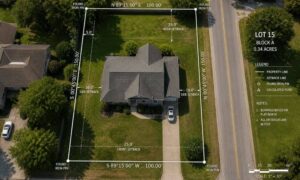
An ALTA Survey plays a key role in confirming legal boundaries and physical use. It’s more detailed than a typical boundary survey and ties directly into title documentation.
Surveyors check:
- Legal descriptions against visible property features
- Potential encroachments or structures crossing lot lines
- Areas that are occupied but not legally described in title reports
The result is a clear map that reflects both recorded and real-world conditions—something crucial when land use is about to change.
Detecting Gaps in Ownership and Access Through Survey Analysis
Title records don’t always tell the full story. Some areas may be used for access or utility service but were never legally recorded. ALTA Surveys help uncover those gaps by documenting:
- Land in use that isn’t included in deeds or plats
- Driveways or footpaths used over time but never formalized
- Sections of land with unclear or overlapping ownership
Identifying these conditions early allows teams to resolve them before they impact design, permitting, or financing.
Supporting Legal Resolution with Physical and Documented Evidence
When title conflicts arise, survey data becomes a critical tool for resolution. Lawyers, lenders, and insurers all depend on verified field data to confirm what’s accurate and defensible.
ALTA Surveys provide:
- Clear, measured site data supported by legal descriptions
- Evidence of encroachments, easements, or access points
- Documentation that supports claims or identifies needed corrections
With this level of clarity, disputes are easier to settle and decisions are backed by solid data.
Application in Redevelopment, Land Assembly, and Historic Districts
ALTA Surveys are especially valuable in projects that involve land assembly or redevelopment. In Savannah, these often include older neighborhoods or commercial corridors with a long history of change.
They help with:
- Confirming site conditions before combining multiple parcels
- Reviewing boundaries in historic areas where records may be vague
- Aligning existing land use with future development goals
For projects involving public-private partnerships or tax incentives, having accurate records is also a key part of compliance.

Value of Title Clarity Backed by ALTA Survey Standards
Once conflicts are resolved, the ALTA Survey becomes a permanent record. It helps protect investments by reducing risk during resale, refinancing, or future development.
This adds long-term value by:
- Preventing future disputes
- Supporting clear permitting and approval processes
- Providing documentation for audits or land-use reviews
FAQs
1. What types of title issues can an ALTA Survey help uncover?
It can identify overlapping parcels, missing access rights, and visible use that doesn’t match recorded documents.
2. Why is transitional land more likely to have title conflicts?
Because it often involves older properties, repurposed lots, or parcels with long gaps between ownership transfers.
3. Can ALTA Surveys be used in legal disputes?
Yes. The survey provides measurable data and visual proof that supports legal arguments and helps resolve claims.
4. How does this survey support land development in Savannah?
By confirming what land is legally usable before zoning, permitting, and design begin avoiding later problems.
5. Is a basic survey enough for these issues?
No. Only an ALTA Survey combines legal review, title coordination, and detailed physical observation into one report.