In the last few days, news about a major technology company expanding its drone surveyor services has started conversations across the land surveying world. At first, it may sound like another tech update. However, this move shows something much bigger. It signals a real change in how land surveys are done and what clients can expect.
This shift does not replace licensed surveyors. Instead, it changes how they work. New tools now help surveyors collect better data in less time. Because of that, property owners, builders, and developers will notice faster results and clearer information.
Why This Expansion Matters Now
When a large company invests in drone-based surveying, it sends a strong message. Drone surveying is no longer new or risky. It has become part of modern land surveying.
The recent expansion focuses on using drones for large-area mapping and land data collection. These tools allow surveyors to gather detailed information much faster than before. As a result, many projects move forward sooner.
Just as important, this growth shows trust in the technology. Companies do not expand this fast unless the results work. Because of that, clients will soon expect faster and more accurate surveys as the new standard.
What a Drone Surveyor Really Does
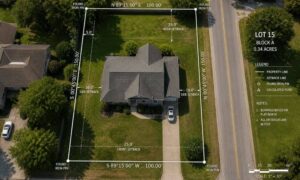
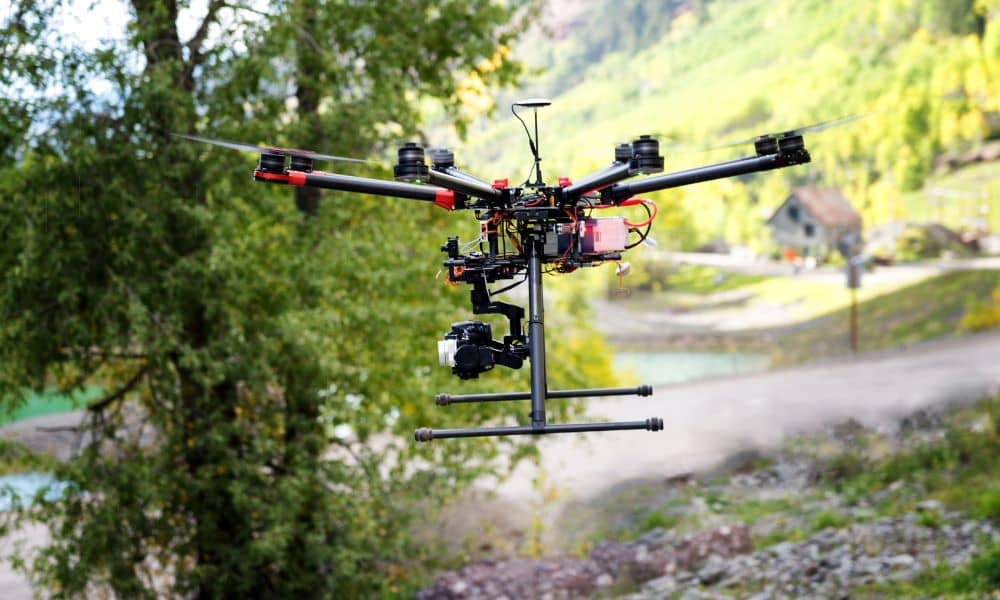
A drone surveyor uses unmanned aircraft to collect land data from the air. The drone flies over the property and captures many images and measurements. Then, special software turns that data into maps and models.
Because drones follow planned flight paths, they collect steady and even data. This helps reduce gaps and mistakes. Still, licensed land surveyors review and approve the results. The drone supports the work, but it does not replace professional skills or legal responsibility.
How Drone Surveyors Improve Accuracy
Accuracy matters in every land survey. Even small mistakes can cause big problems later. Drone surveyors help improve accuracy in several ways.
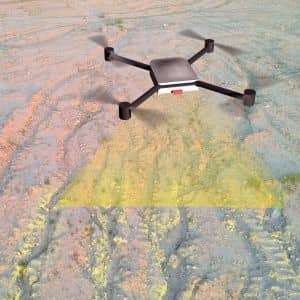
First, drones capture the entire site from above. This gives surveyors a full view of the land instead of broken sections. Second, the images show slopes, surface changes, and drainage paths clearly. Third, software checks the data for consistency, which helps catch errors early.
Because of this, surveyors can deliver cleaner and more reliable results. Clients benefit because they face fewer surprises during design or construction.
Why Speed Is the Biggest Change Clients Notice
While accuracy is important, speed is often what clients notice first. Drone surveyors reduce the time spent working on-site. Instead of walking large properties for days, surveyors can collect data in a few flights.
Because of that, projects move faster from planning to design. Developers can review site data sooner. Builders can plan schedules with more confidence. Property buyers can also make decisions faster because survey results arrive earlier.
Even so, faster surveys do not mean lower quality. Instead, they mean smarter work using better tools.
What This Means for LaGrange and Troup County Projects
In areas like LaGrange and Troup County, land often includes open fields, wooded areas, and uneven ground. These features can slow down traditional surveys. Drone surveyors handle these conditions more easily.
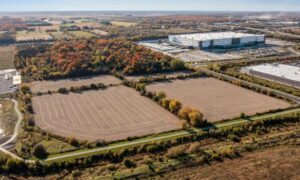
Large rural properties benefit from aerial mapping that shows boundaries and terrain quickly. Agricultural land surveys gain value from wide views that show drainage and elevation changes. Growing residential and commercial sites also benefit from faster data during early planning.
Since development continues in West Georgia, speed and accuracy now matter more than ever.
Do Drone Surveyors Lower Survey Costs?
Many clients wonder if drone surveying costs less. The answer depends on the size and type of the project.
On large properties, drone surveyors often reduce field time. Fewer hours on-site can lower total costs. On smaller residential lots, savings may be smaller. Still, better data early can prevent delays and redesigns later.
In many cases, the real savings come from avoiding problems down the road, not just from the survey price itself.
Licensing Rules Still Apply
Even with advanced technology, land surveying remains a licensed profession. Drone surveyors must work with or under licensed land surveyors. This ensures the survey meets legal standards.
For clients, this is important. Counties, lenders, and engineers require certified surveys. Any service that skips licensing creates risk. Because of that, clients should always confirm that licensed professionals oversee drone-based surveys.
How to Know If a Drone Surveyor Fits Your Project
Not every project needs drone surveying. Still, many benefit from it. Large sites, rough terrain, tight timelines, and early planning stages often see the most value.
Clients should ask simple questions. How big is the property? How fast is the data needed? What details matter most? A professional surveyor can then suggest the right approach.
Drone surveying works best as part of a complete survey plan, not as a shortcut.
A Change Clients Will Feel First
The recent expansion of drone-enabled surveying confirms a clear trend. Drone surveyors are becoming a normal part of modern land surveying. Clients will feel this change through faster timelines and clearer results.
As technology continues to grow, expectations will rise. Surveyors who adapt will deliver better service. Clients who understand these tools will make better choices.
In the end, this shift is not just about drones. It is about smarter, faster, and more accurate land surveying—and that benefits everyone involved.