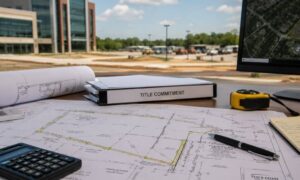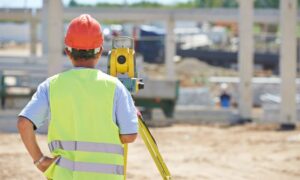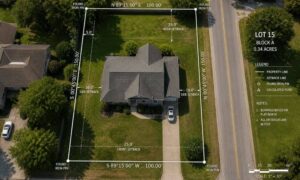

Georgia property tax rules are under active discussion right now, and many homeowners feel uneasy about what that could mean for their bills. News about tax caps, reassessments, and property value reviews spreads quickly because it affects real money. Naturally, owners start asking questions about how their land gets measured and recorded. Most people look at online parcel maps or tax records and assume they show the full truth. However, those tools only give rough visuals. They do not prove exact boundaries or lot size. Because of that, moments of tax rule change often expose hidden record errors. That’s exactly why a land survey company becomes more important during times like this.
Many owners think surveys only matter when building a fence. In reality, surveys support property value questions, land size disputes, and record corrections. When taxes come into focus, accurate land data suddenly matters a lot more.
Property Taxes Follow Records — and Records Are Not Always Right
Property taxes do not come from market price alone. Counties also rely on property records when they review assessments. Those records include lot size, boundary shape, structure placement, and land classification.
On paper, that sounds solid. In practice, record systems often contain gaps. Some parcels rely on old measurements. Others come from maps drawn decades ago. Meanwhile, improvements like garages or additions sometimes never get measured against real boundary lines.
Because of that, two problems appear. First, an owner may pay tax based on incorrect land data. Second, an appeal becomes harder without measured proof. A land survey company steps in here with field measurements and legal documentation instead of estimates.
Why Online Parcel Maps Mislead So Many Homeowners
Today, anyone can open a county parcel viewer and see lot lines in seconds. The map looks clean and official. Therefore, many owners trust it completely. Unfortunately, parcel viewers show approximate lines, not legal boundaries.
The difference matters more than most people expect. A line that looks perfect on screen can sit several feet off on the ground. That small shift can change where a fence belongs or how close a structure sits to a setback line.
As a result, owners sometimes build or plant based on the wrong reference. Later, a survey reveals the truth, and conflict follows. A land survey company does not rely on map overlays. Surveyors research deeds, compare records, find monuments, and measure the land itself. That process creates defensible boundary data, not just a visual guide.
Tax Rule Changes Bring More Reviews and More Questions
When states adjust property tax rules, review activity increases. Offices look closer at records. Staff recheck classifications. Systems update values and property details. During that process, mismatches show up more often.
An acreage number might not match field measurements. A structure might sit closer to a boundary than expected. A split parcel might still show outdated lines in the system. Those issues may stay hidden for years, yet rule changes often bring them into the spotlight.
At that point, owners need facts, not guesses. A land survey company provides measured data that supports corrections and clarifications. That support helps owners respond with confidence instead of stress.
Growth and Improvements Increase Boundary Risk
Growing communities see more land changes. Owners add shops, driveways, fences, and additions. Buyers purchase older tracts and improve them. Families divide inherited land into smaller parcels.
Progress helps communities, yet it also increases the chance of boundary mistakes. A project that looks small can cross a line without anyone noticing. Later, when a reassessment or sale happens, the mistake surfaces.
For example, a fence installed using an online map may sit outside the true boundary. A detached garage might land closer to the line than allowed. Those situations affect value, compliance, and sometimes taxes. A land survey company helps prevent those problems before they grow.
Documentation Carries More Weight Than Screenshots
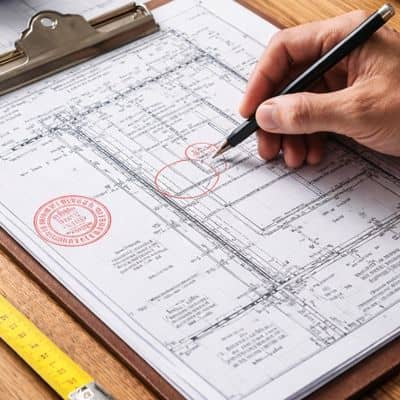
When owners question assessments, they often bring printed maps and aerial images. They explain what looks wrong and why they disagree. While that effort helps start the conversation, officials look for stronger documentation.
Measured surveys, recorded plats, and stamped drawings carry real weight. Visual tools and screenshots do not carry the same authority. Therefore, owners who rely only on online maps often hit a wall during disputes.
A land survey company produces documents that offices, lenders, and attorneys accept. That difference turns a weak claim into a supported one.
Surveys Give Owners Control Instead of Guesswork
Many people wait until a dispute starts before calling a surveyor. However, early action works better. A survey done before construction or land division prevents many future problems. It also gives owners control over decisions instead of forcing them into reaction mode.
Accurate measurements help with planning, budgeting, and compliance. They also reduce neighbor conflict and project delays. During times of tax rule discussion and reassessment, that clarity becomes even more valuable.
Clear Measurements Matter More When Money Is Involved
Property tax discussions will continue to evolve across Georgia. Rules may adjust. Assessment methods may change. Market values will always move. Still, one truth stays the same: accurate land data protects property owners.
When records match real measurements, owners stand on solid ground. They make better improvement choices. They handle reviews with confidence. They resolve questions faster. A land survey company provides that clarity through real field work and legal documentation.
When taxes, value, and property rights meet, precision matters. Clear boundaries and verified land data turn uncertainty into confidence — and that helps every property owner sleep better at night.