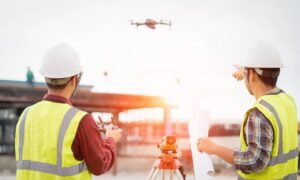

Atlanta keeps growing, and every new project needs fast and accurate land data. That is why drone surveying is becoming more important than ever. In the first 100 words, it’s clear how developers across the city want better tools that help them understand a site before they build. And now, with new advances in 3D laser-scanning technology, that demand is rising even more. These upgraded tools don’t just look advanced—they are changing how surveyors, engineers, and builders plan projects from the ground up.
Recently, a new line of high-precision 3D laser scanners entered the market. These scanners create detailed models of buildings, slopes, and ground surfaces. They capture things older tools often miss. When survey teams use this technology, they usually pair it with drone flights. Together, these tools give a full look at the land, both from the air and the ground, which is exactly what Atlanta developers expect today.
The Shift Toward Faster, Clearer Data
Atlanta’s construction boom shows no signs of slowing. New mixed-use spaces, infill homes, commercial updates, and warehouse projects fill the map. Because of this, developers want answers fast. They want to know what is on a site, how the land slopes, and how those features will affect grading, drainage, and building plans.
Traditional methods still work, but they take more time and don’t always show the full picture. New 3D scanners solve this by collecting dense, clear data at high speed. When surveyors add drone data on top of that, they create a complete digital model of the site. Developers no longer need to wait for different crews to measure different parts. Instead, they get a clear view early in the planning stage, which helps them make better choices.
Why Drone Surveying Fits So Well With 3D Scanning

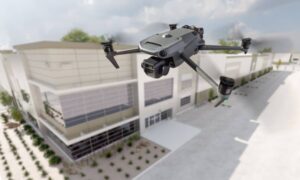
Drone surveying and modern 3D scanners work well together. A drone captures wide overhead images, showing how each part of the land connects. The scanner picks up small details that drones can’t measure closely. When surveyors combine both sets of data, they form a digital twin of the site.
Developers like this because it answers big questions early. They can check if a building fits well on the land, see how slopes affect roads or parking areas, and study how water might move across the site. Since drones cover large areas fast, survey teams collect the information quickly. That speed matters, where project timelines move fast and delays can be expensive.
Helping Atlanta’s Biggest Projects Move Faster
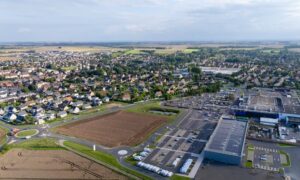
Across the city, contractors and engineers rely on drone surveying to speed up early planning. Large projects around major redevelopment areas need detailed site scans right away. These zones often have tricky terrain, old utilities, or tight spaces. Instead of walking the whole site, survey teams launch a drone to capture aerial data right away.
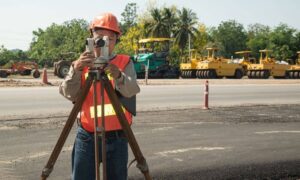
New 3D scanners make this even more useful. After flying the site, surveyors scan key features on the ground—curbs, walls, loading docks, steep areas, and more. This gives designers strong information for grading plans, foundation designs, and drainage layouts.
Smaller projects also gain value. In neighborhoods like East Atlanta, Kirkwood, and Howell Station, many lots have slopes or old structures. A drone gives the big picture, while the scanner adds fine detail. Together, they help designers understand the land faster, which keeps the approval process moving.
More Detail Means Fewer Surprises
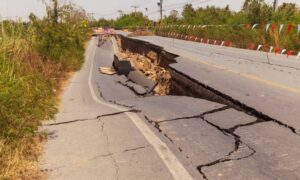
Developers know that small issues can lead to big costs. A slight slope, a missed spot grade, or an unexpected dip in the land can force redesigns. Because of that, they want tools that show the entire site clearly.
This is why 3D scanning and drone surveying are so helpful. When surveyors deliver complete 3D models, developers can view the land from every angle. They can zoom in on problem areas, compare heights, and see how buildings and parking plans fit the site. Engineers can study grading early to avoid costly earthwork changes. Designers can check how the land drains long before final drawings.
Better data reduces risk, and in a fast-growing city like Atlanta, reducing risk is a smart way to protect a project.
Why Demand Is Rising in 2025
Several trends explain why drone surveying is rising in Atlanta:
Atlanta keeps expanding. New projects open in every corner of the city, and each one needs strong survey data.
Developers want better visuals. Lenders, investors, and city reviewers expect clear 3D models and strong visuals. Drone data helps teams meet that need.
Designers want better starting points. Architects and engineers need exact site information. When drones and scanners work together, the results are clear and reliable.
Companies with better tools stand out. Surveying teams that use the latest technology finish jobs faster and support more complex designs.
These trends show that drone surveying is no longer a bonus service. It has become a core part of modern site development.
When a Project Should Use Drone Surveying
If you plan to build, drone surveying works best when the site covers a large or uneven area, the land includes slopes or complex grading, you want early 3D visuals to guide design, the timeline is tight, or you want to avoid redesigns later.
More builders, architects, and investors ask for drone data early because it helps them understand the land before they spend money on deeper design. It also keeps everyone on the same page, since a 3D model gives the whole team a shared view. And when people reach this stage, they usually start looking for land surveyors in my area who can handle both drone work and on-the-ground measurements. Working with someone local makes planning easier, because they already understand how sites behave and what challenges tend to show up during design.
Final Thoughts
New 3D laser-scanning tools show how fast surveying technology is changing. These upgrades push more developers to use drone surveying because they want clearer data, faster results, and better planning tools. Atlanta’s rapid growth makes these tools even more valuable. With every project, teams need full visibility of the land so they can build smarter and avoid problems.
As 3D scanning and drone surveying continue to improve, they will shape how Atlanta builds its next generation of homes, offices, and commercial centers. The city moves fast, and the projects that succeed are the ones that start with the best information.