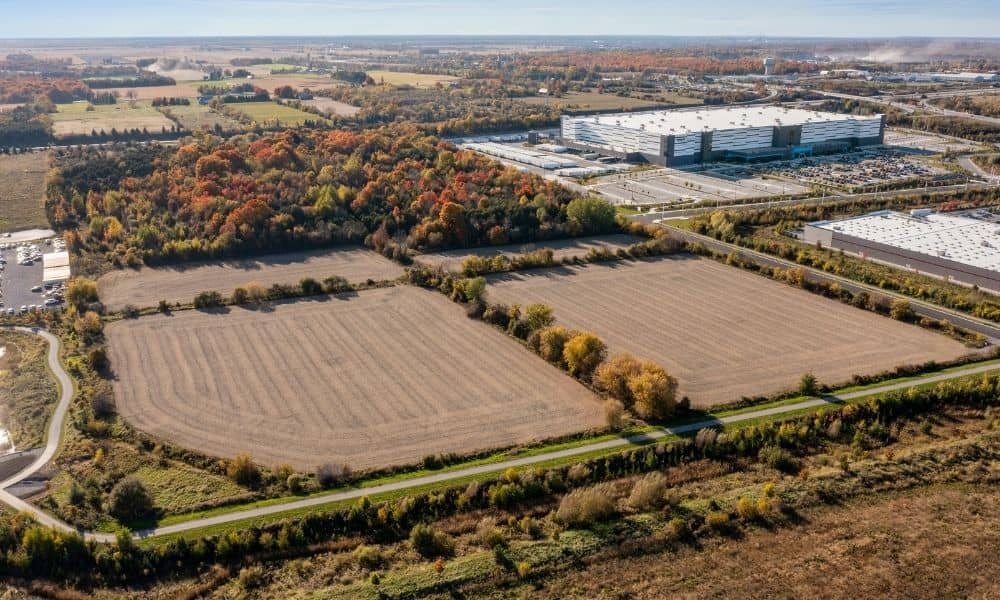
Newnan, Georgia is seeing more interest from large data center developers. These projects need huge land areas, strong utility access, and fast approval from local planning boards. Because of this pressure, rezoning requests are moving faster than before. However, fast growth brings one big problem. Land records do not always match real ground conditions.
This is where a cadastral surveyor becomes important. They help confirm exact legal land boundaries before rezoning moves forward. Without this step, large projects can face delays, redesigns, or even rejection during approval stages.
Data centers may look simple on paper, but the land behind them is not. Every line on a map must match legal records. That is not always the case in fast-growing areas like Newnan.
Data center growth is changing land use in Newnan
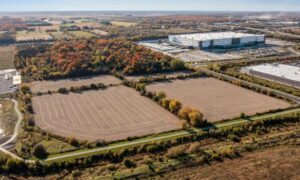
Newnan sits in a region that has become attractive for large infrastructure projects. Data centers need wide open land, close access to power lines, and space for future expansion. Because of this, rural land near highways and utility routes becomes a target.
As demand grows, land often shifts from agricultural use to industrial zoning. This process is called rezoning. It sounds simple, but it involves strict checks from county planners.
Even small errors in land boundaries can slow everything down. A few feet of mismatch can change how a parcel is classified. That is a problem when developers plan million-dollar facilities that depend on exact land size.
So while developers focus on design and power needs, counties focus on something more basic. They want to know exactly where the land starts and ends.
Why rezoning depends on exact land boundaries
Rezoning is not just a paperwork step. It changes how land can be used forever. Because of that, county officials need full confidence in the property lines.
In many cases, problems appear when different records do not match. A deed might show one boundary, while county maps show another. At the same time, older land divisions may not reflect current conditions on the ground.
This creates confusion during approval meetings. Planners cannot move forward if the land shape is unclear. Developers also cannot build until the zoning is fully approved.
That is why boundary accuracy becomes a major requirement before any rezoning decision. It is not enough to assume the maps are correct. They must be verified.
Where cadastral surveyors come in
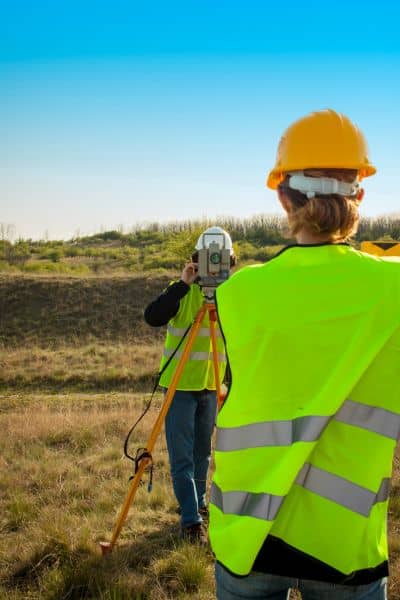
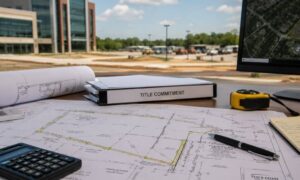
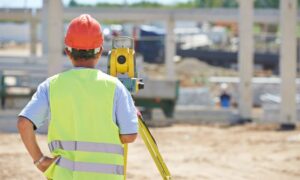
A cadastral surveyor focuses on legal land boundaries. They review property records, old maps, and physical markers on the ground to see how everything actually lines up.
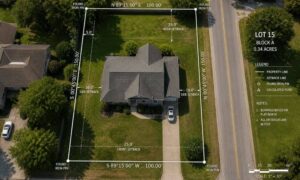
In a data center rezoning project, they go through the full parcel layout. They check where one property ends and another begins, and they also catch issues in older records that don’t always reflect what’s really there anymore.
This matters because rezoning decisions rely on clear legal land definitions. If something is off, even slightly, it can slow the entire approval process or raise questions during review.
A big part of their work happens early, before anything reaches the county. This is where boundary verification before rezoning approval happens. It’s the point where the land gets double-checked so the paperwork matches the real-world boundaries.
Doing this early keeps things from getting messy during planning meetings. It also reduces the chance of last-minute changes that can delay the whole project.
What can go wrong without proper boundary verification
When developers skip or delay cadastral work, problems often show up later in the process.
One common issue is overlap between parcels. Two land records may claim the same strip of land. Another issue is missing easements. These are access areas for utilities like water or electricity.
Sometimes, old land divisions were never updated after past sales. This creates gaps between legal records and real land use.
When these problems appear during rezoning review, everything slows down. Plans may need to be redrawn. Meetings may get postponed. In some cases, developers must restart parts of the approval process.
This is not just a technical issue. It affects cost, timing, and project confidence. Large data centers depend on stable timelines. Delays can affect contracts and investment decisions.
Because of this, early boundary checks are becoming more common in development planning.
Why this matters more in places like Newnan
Newnan is not a major city core, but it sits close to growing infrastructure corridors in Georgia. That makes it a strong location for data center expansion.
At the same time, many parcels in the area have long land histories. Some properties were divided years ago under older mapping systems. Others still use descriptions that do not match modern digital records.
This mix creates risk during rezoning. When land use changes from rural to industrial, the rules become stricter. County planners expect precise and updated land data.
Developers who enter the process without verified boundaries often run into delays. Even if the project is strong, unclear land lines can slow approval.
That is why cadastral surveyors are becoming part of early planning discussions in regions like Newnan. They help align land reality with legal records before rezoning begins.
Why cadastral accuracy is now part of development planning
Data centers are not small projects. They involve heavy infrastructure, long timelines, and large investments. Because of this, every step must reduce risk.
Land boundary accuracy is one of the first risks to control. If the land is not clearly defined, everything built on top of it becomes uncertain.
Cadastral surveyors provide that clarity. They do not design buildings or power systems. Instead, they confirm the legal shape of the land itself.
This creates a stable base for engineers, planners, and developers to work from. It also helps county officials trust the information in rezoning applications.
As more large projects enter areas like Newnan, this step becomes even more important. Faster development only works when the land data is correct from the start.
Closing perspective
Newnan’s growing interest in data center development shows how much land use is changing in Georgia. These projects bring economic activity, but they also increase pressure on land systems that were built years ago.
Rezoning decisions depend on more than planning goals. They depend on accurate land boundaries that match legal records. When those records do not align, delays follow.
A cadastral surveyor helps solve that problem early. By confirming exact property lines before rezoning, they reduce risk and improve approval flow.
As development continues, boundary accuracy will stay at the center of every major land decision in areas like Newnan.