Property scams used to sound rare and far away. Recently, that changed. A viral news story showed how land was sold without the owner’s knowledge. No break-in. No face-to-face meeting. Just paperwork, digital records, and a forged identity. By the time the real owner found out, the property was already gone. Stories like this spread fast because they feel personal. Many owners suddenly ask the same question: Could this happen to me? In many cases, the answer depends on one overlooked detail—a boundary survey.
How property can be sold without the owner knowing
Modern real estate moves fast. Online records, remote closings, and digital filings make transactions easier. However, they also create new risks. Scammers know this. They look for properties with weak documentation and owners who are not watching closely.
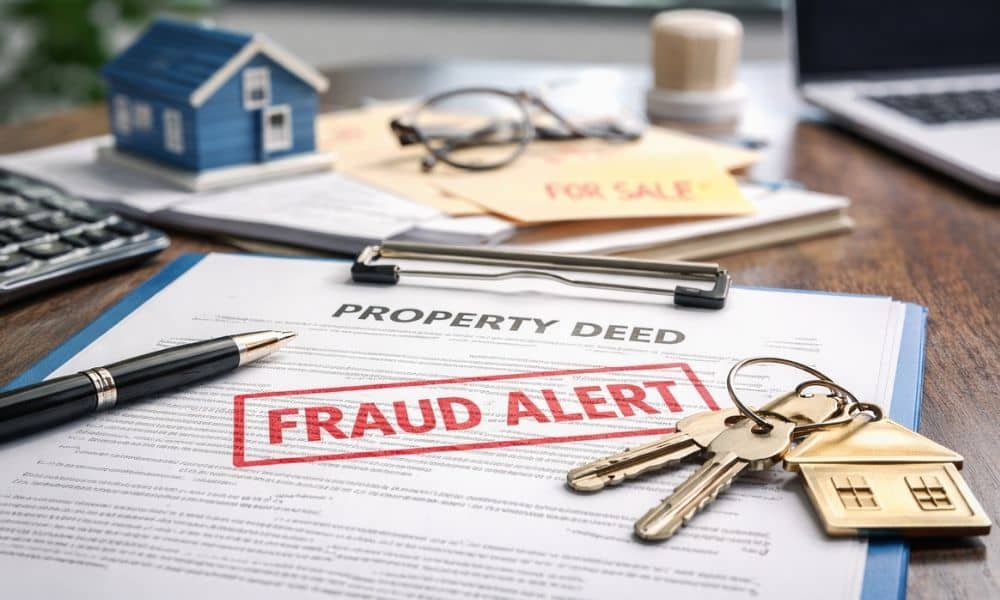
Here is how these scams often work. A fraudster finds a vacant or inherited property. Then they gather public information, impersonate the owner, and file forged documents. Because no one checks the land in person, the sale moves forward. The real owner finds out weeks or months later.
Although this sounds extreme, it happens more often than people think. As online systems grow, criminals look for gaps they can exploit. Unfortunately, unclear property records create those gaps.
Why some properties are easier targets
Not all properties face the same risk. Scammers focus on land that looks easy to claim. For example, vacant parcels attract attention because no one lives there. Inherited land also draws risk, especially when heirs live out of state. Long-held property with old records creates another opening.
In many of these cases, the property has no recent boundary survey. That matters more than most owners realize. When records rely on outdated descriptions, it becomes easier for bad actors to slip through the system. Clear, current documentation makes fraud much harder.
The weak spot most owners miss
Many owners believe their deed is enough. Others trust online maps or old sketches. While those records matter, they do not always tell the full story. Over time, markers disappear, records change, and details get lost.
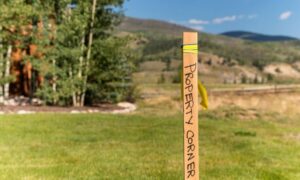
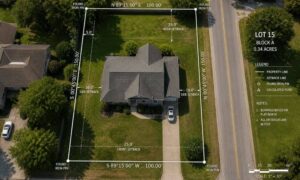
A boundary survey helps close that gap. It connects the legal description to the physical land. It confirms exactly what belongs to the owner and where the lines sit today. Because of that, it adds a layer of proof that goes beyond paperwork alone.
How a boundary survey helps prevent fraud

A boundary survey does more than draw lines on a map. It forces a professional review of the property. Surveyors research deeds, plats, and historical records. Then they verify everything on the ground.
Because of this process, a boundary survey can reveal issues early. Title companies and attorneys often rely on surveys to confirm ownership details. When a current survey exists, it becomes much harder for fake transfers to pass unnoticed.
Instead of reacting after fraud occurs, owners who order a boundary survey take control upfront. That shift matters. Prevention costs far less than fixing a stolen property record.
Why this risk keeps growing
Several trends push this problem forward. First, real estate transactions move faster than ever. Second, many closings happen remotely. Third, public access to records keeps expanding.
Each change brings convenience. At the same time, each change reduces personal verification. Scammers depend on speed and distance. They count on no one checking the land itself.
Because of this, property ownership now needs stronger safeguards. A boundary survey fits that role well. It brings physical confirmation back into a digital process.
When a boundary survey becomes critical
Not every owner needs a survey right away. However, some moments demand extra care. Selling inherited land creates one of those moments. Listing vacant property creates another. Remote closings also raise the stakes.
Long-held property deserves attention too. If no one reviewed the boundaries in decades, assumptions may no longer hold. A boundary survey updates the record and protects ownership before problems start.
Although many people wait until something goes wrong, acting early brings peace of mind. Clear boundaries help prevent disputes, delays, and fraud at the same time.
Common assumptions that lead to trouble
Many owners think fraud only targets big cities. Others believe criminals ignore small parcels. Both ideas miss the point. Scammers target opportunity, not location.
Another common belief says, “I’ve owned this land forever.” While that feels reassuring, it can create risk. Older records often lack detail. Without a boundary survey, those gaps remain open.
Finally, some owners assume online tools show everything they need. In reality, maps and apps provide estimates, not legal proof. Only a licensed professional can confirm boundaries with authority.
Lessons from the viral scams
The recent news stories did not expose new crimes. Instead, they revealed how old weaknesses meet new technology. Ownership still depends on clear documentation. When that clarity fades, risk grows.
A boundary survey helps restore that clarity. It turns assumptions into facts. It links paper records to real ground. Most importantly, it protects owners before a crisis hits.
Protecting property before problems appear
Property ownership should feel secure, not stressful. Yet modern scams remind us that vigilance matters. Clear records protect value, rights, and peace of mind.
Ordering a boundary survey is a smart step for many owners today. It does not mean trouble exists. It means you choose to stay ahead of it. In a fast-moving market, that choice matters more than ever.
As property scams continue to make headlines, one truth stands out. Clear boundaries protect more than land. They protect ownership itself.