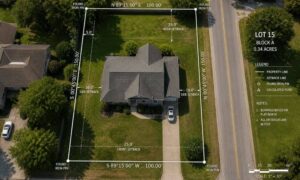
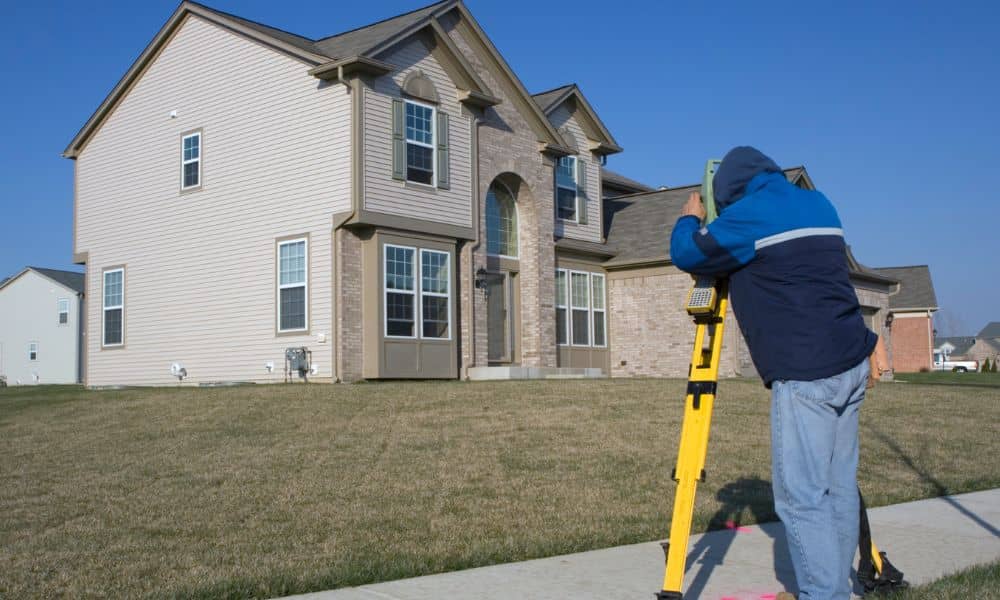
A fence should make life easier. It adds privacy, keeps pets safe, and marks the edge of your yard. However, a fence can also start a serious neighbor fight. Recently, a fence dispute went viral online. Two neighbors argued about where the property line really was. One homeowner built a fence. The other claimed the fence sat on their land. Soon the disagreement spread across social media. Stories like this grab attention because many homeowners face the same problem. People assume they know where their property line sits. Yet assumptions often lead to mistakes. That is why hiring a residential surveyor before building anything near a boundary can prevent trouble later. Situations like this also remind homeowners why it helps to verify property boundaries before building a fence, especially when the exact line between two yards is not always obvious.
The Viral Fence Dispute That Got Everyone Talking
The viral story started with a simple project. A homeowner decided to build a fence to improve privacy. The fence looked normal at first. However, the neighbor soon noticed something wrong. According to them, the fence crossed onto their property. Situations like this often happen when neighbors move forward with projects before anyone takes time to determine the exact property line.
The argument grew quickly. Both neighbors believed they were right. Online commenters jumped into the debate. Some people said the fence owner should remove the structure. Others claimed the neighbor should accept the fence where it stood.
Eventually, the real issue became clear. No professional survey confirmed the property line before construction began. Without accurate measurements, both sides relied on guesswork. As a result, the dispute turned into a stressful situation that could lead to legal problems.
Why Fence Disputes Happen So Often
Fence disputes appear more often than many homeowners expect. At first glance, property lines seem simple. However, they can become confusing over time.
For example, many people assume the following things mark a boundary:
- an old fence
- a tree line
- landscaping stones
- the edge of a driveway
Yet these features rarely show the real property line.
In many neighborhoods, previous owners placed fences in the wrong location years ago. Later homeowners assume those fences sit correctly. Unfortunately, that mistake spreads from owner to owner.
Furthermore, property markers sometimes disappear. Lawn work, erosion, or construction can move or bury them. Therefore, homeowners lose track of the true corners of the property.
Because of this, even a small error can cause a dispute.
What a Residential Surveyor Actually Does
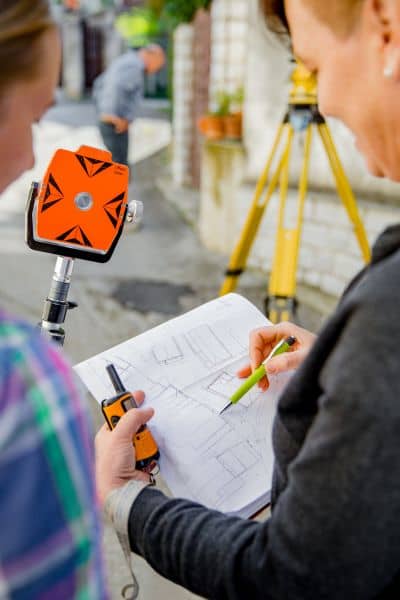
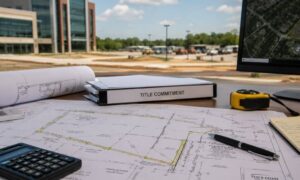
A residential surveyor helps homeowners understand the exact limits of their property. This professional studies records and measures the land with precise tools.
First, the surveyor reviews property documents. These include deeds, subdivision maps, and public records. Next, the surveyor visits the property to locate existing markers.
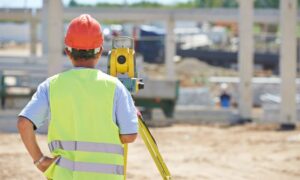
After that, the surveyor measures the land using specialized equipment. These tools help identify the exact position of the boundary lines.
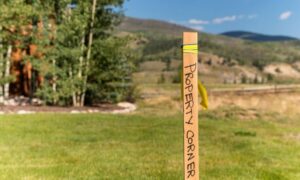
Finally, the surveyor marks the corners and prepares a clear map of the property.
This process removes guesswork. Instead of relying on memory or old fences, homeowners receive verified measurements.
Why Building a Fence Without a Survey Is Risky
Many homeowners skip a survey because they want to save money. However, that decision can lead to bigger costs later.
For example, if a fence crosses a boundary line, the owner may have to remove it. Fence removal often costs hundreds or even thousands of dollars.
In addition, neighbor disputes can escalate quickly. Arguments about property lines sometimes lead to legal action. Court cases require time, money, and emotional energy.
Moreover, boundary problems can delay a home sale. Buyers often request proof of property lines before closing. If a survey reveals an encroachment, the seller must fix the issue before the sale continues.
Because of these risks, hiring a residential surveyor early can prevent serious headaches.
When Homeowners Should Call a Residential Surveyor
Many people believe surveys only matter when buying a house. However, several common projects require accurate boundary information.
Homeowners should contact a residential surveyor before:
- installing a fence
- building a shed
- adding a detached garage
- expanding a driveway
- starting large landscaping work
- resolving a neighbor boundary concern
In each situation, the survey confirms where improvements belong. As a result, homeowners avoid accidental encroachments.
How Surveys Prevent Neighbor Conflicts
Neighbors usually want to get along. However, unclear boundaries often create tension.
A survey brings clarity to the situation. Once the surveyor marks the property corners, both neighbors can see the correct line. That simple step removes uncertainty.
In many cases, neighbors agree on fence placement after reviewing the survey. Instead of arguing about assumptions, they rely on verified measurements.
Additionally, the survey provides documentation. If a disagreement arises later, homeowners can show the survey as proof of the boundary.
Therefore, surveys protect both properties and relationships.
Why Property Lines Become Confusing Over Time
Many homeowners wonder why property lines become unclear in the first place. Several factors cause confusion.
First, older neighborhoods may rely on historic maps. These maps often contain measurements written decades ago. Over time, small errors can accumulate.
Second, property markers may disappear. Yard work, tree roots, or construction can move the markers from their original position.
Third, homeowners sometimes install fences without checking the boundary. Later owners assume the fence sits correctly, even when it does not.
Because of these issues, the visible edges of a yard may not match the legal boundary.
A residential surveyor helps solve this problem by identifying the true corners of the property.
Protecting Your Property Before Building
A fence should improve your home, not create a dispute. Yet the viral fence story shows how quickly a simple project can turn into a serious conflict.
Fortunately, homeowners can avoid this situation. Before building anything near a boundary, verify the property lines.
Hiring a residential surveyor provides accurate information about your land. With clear measurements, you can place fences, sheds, and other structures with confidence.
Most importantly, a survey protects your property rights while helping neighbors stay on good terms.
In the end, a small step before construction can prevent a very big problem later.