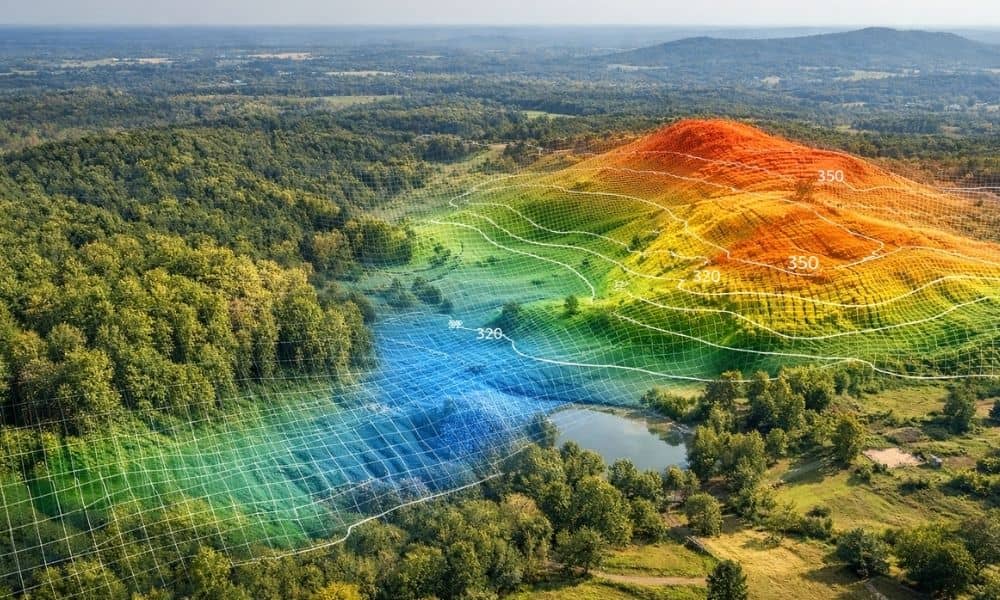
Over the past few weeks, LiDAR has been in the national news. Stories showed how laser mapping found hidden cities under thick forests. At the same time, experts started talking about something bigger — who owns mapping data, how people use it, and what happens when someone reads it the wrong way. At first, that may sound far away from Georgia. However, this debate affects more than research. It affects real land projects happening right now — including here at home. In fact, the discussion gives new meaning to lidar mapping LaGrange and how local builders, engineers, and landowners use land data.
The Debate Is Bigger Than Cool Discoveries
The news focused on exciting discoveries. Yet the real issue runs deeper. LiDAR does more than create 3D pictures. It shows small changes in the land — slopes, dips, and features people could not see before.
Because of that, people now ask important questions:
- Who owns this data?
- How accurate is it?
- Can someone misread it?
- Should it guide big land decisions?
These questions started in the research world. However, they now affect development, real estate, and city planning.
In short, mapping is not just measuring anymore. It gives powerful land insight.
Why This Matters in LaGrange
You may wonder how this connects to West Georgia. The answer is simple: expectations have changed.
Today, lenders, investors, and city officials look closely at land data. They want strong proof that a site works for building. They expect solid elevation models. They want fewer surprises later.
Because of that, lidar mapping LaGrange matters more than before. The technology did not change. However, the level of review did.
For example, a small elevation mistake can delay a permit. A hidden slope can change grading costs. A missed low area can create drainage problems. Therefore, clear land data protects time and money.
Mapping Data Comes with Responsibility
National headlines show how powerful LiDAR can be. However, power brings responsibility.
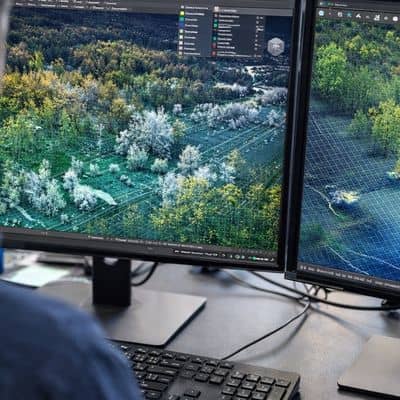
A raw scan alone does not tell the full story. Technicians must clean and check the data. They must separate trees from ground points. They must confirm the final model matches real land conditions.
Not all LiDAR results offer the same quality. Some products look good but lack careful review. Small errors — even a few inches — can cause problems during design and construction.
Because of that, teams in LaGrange must treat mapping as part of smart planning, not just a quick step in the process.
Higher Expectations from Reviewers and Lenders
Another reason this debate matters is oversight. Across the country, agencies now expect stronger support for grading and site plans. They check elevation details more closely. They ask for clear terrain data.
As LiDAR gets more attention, people understand what good data should look like.
That trend affects local projects. Builders in Troup County must submit plans that pass review. Engineers must support designs with reliable land models. In some cases, lenders may also want proof that the site can handle the project safely.
Because of that, lidar mapping helps protect projects from delays and questions.
The Risk of “Good Enough” Mapping
In today’s world, “good enough” can create real risk.
Some providers promise fast scans and nice 3D images. However, a good-looking picture does not always mean strong engineering data. A quick drone flight does not guarantee careful processing.
If teams skip proper checks, hidden problems can appear later. Those problems may show up as grading changes, redesign costs, or site conflicts.
The national debate reminds everyone that data must stand up to questions. If mapping guides big decisions, it must hold up under review.
Local Knowledge Still Matters
Even though technology works anywhere, land conditions do not.
LaGrange has rolling hills, mixed soil, and changing drainage paths. Some sites look flat at first glance. However, small slope changes can affect design.
Because of that, local knowledge makes a difference. Teams who understand land know how soil reacts after grading. They understand how water flows during heavy rain. They know what city reviewers expect.
When technology and local experience work together, results improve.
That is why lidar mapping works best when paired with strong civil engineering insight.
What Developers and Landowners Should Do
So what does this mean for property owners and builders?
First, treat land data as a smart investment. Before starting a project, understand what the land truly shows.
Second, ask about data quality. A trusted provider should explain how they process and check their work.
Third, remember that mapping supports long-term decisions. It affects design, cost, timeline, and even resale value.
When teams focus on clear data early, they avoid costly surprises later.
The Bigger Picture
The recent LiDAR discovery debate proves one thing: mapping shapes how we understand land. It influences research and public discussion. At the same time, it influences development and planning.
Although the news stories focus on ancient cities, the lesson applies here. Strong tools require careful use. Reliable data requires careful review.
Because of that, lidar mapping now carries greater importance. It supports better planning. It strengthens project confidence. It helps protect developers, engineers, and landowners in a world where data faces closer review.
In the end, the debate does not create fear. Instead, it creates awareness. And awareness leads to better decisions.
For professionals, that awareness turns mapping from a simple service into a smart strategy.
And today, smart strategy makes all the difference.