
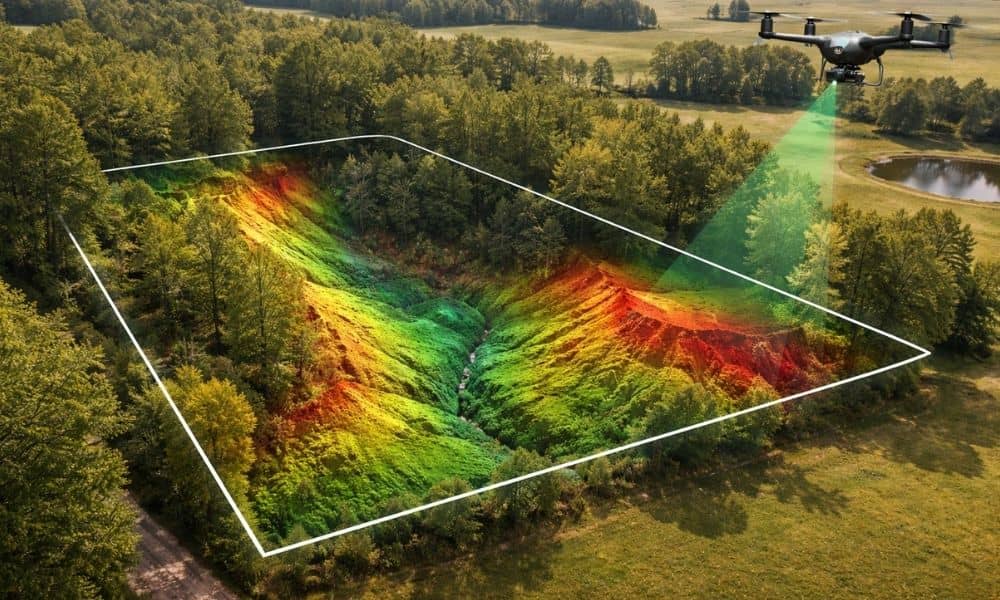
Buying land can feel simple at first. A property may look flat, quiet, and ready for building. However, the ground often hides important details. Small changes in elevation or uneven soil can create problems later. Because of this, many property owners now rely on lidar mapping to understand their land before making big decisions.
In Ringgold, Georgia, many properties include wooded areas, rolling hills, and uneven ground. Trees and thick vegetation can hide what the terrain really looks like. That’s why this technology is so helpful; it lets buyers and builders see the land clearly, even under trees or brush, so they can plan with confidence before any work begins.
Why Terrain Problems Often Stay Hidden
Most people evaluate land by walking across it. While this helps them get a general feel for the property, it does not reveal everything beneath the surface. Trees, grass, and leaves cover much of the ground. Because of this, many terrain features remain invisible during a simple visit.
For example, a lot may look level from the road. Yet when someone walks farther into the property, the land may gradually slope downward. Even then, the change may feel so small that it goes unnoticed. Later, once clearing begins, the slope becomes much more obvious.
Vegetation also hides uneven ground. Roots, fallen leaves, and undergrowth often cover small dips or ridges in the soil. At first glance, the land may seem smooth. However, after clearing trees or brush, the terrain can look very different.
Because of these factors, many people discover terrain issues only after construction planning begins. By that point, changes to the design may cost time and money.
How LiDAR Mapping Shows the Real Shape of the Land
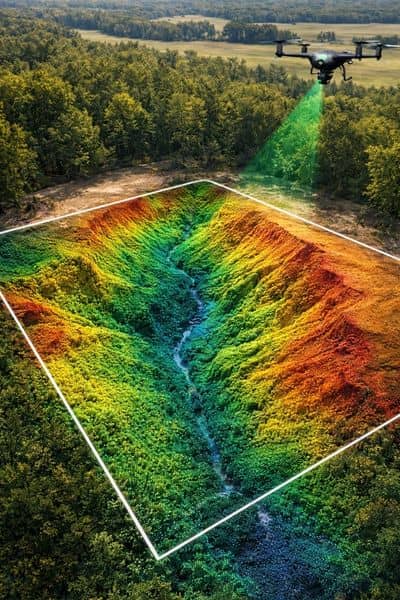
Lidar mapping helps surveyors understand the terrain with incredible detail. The technology works by sending laser pulses toward the ground, and sensors on drones or aircraft record how those pulses bounce back. Each returning signal measures a precise elevation point, and when thousands of these points combine, they create a detailed digital model of the land.
One of the most useful features of lidar mapping is that it can filter out vegetation, separating tree cover from the actual ground surface. This means surveyors can see what the terrain looks like beneath thick forest or heavy brush. By using a lidar mapping survey, property owners and planners get a clear view of subtle elevation changes that often go unnoticed during a normal site visit. With this insight, they can understand the land better and make smarter decisions before starting any work.
Hidden Terrain Conditions That Can Affect Property Plans
Even small terrain features can influence how a property gets used. In many parts of Ringgold, these features remain hidden until land clearing begins. By that time, adjusting plans may require extra work.
Uneven ground often appears first. A wooded lot might seem smooth when someone walks through it. Yet once trees disappear, bumps and dips in the soil may appear across the site.
Subtle slopes can also affect building plans. A slight change in elevation may influence where structures fit best. Driveways, outdoor spaces, and building pads may need adjustments to match the terrain.
Some properties also contain shallow depressions. These areas sit slightly lower than the surrounding ground. At first, grass or leaves may hide them. However, once the surface becomes visible, those depressions may change how the property can be used.
Natural ridges or breaks in elevation may appear as well. These features can shape how designers arrange buildings or outdoor areas. Without early terrain insight, these conditions may surprise property owners later.
Why Property Owners Look at Terrain Before Making Plans
Understanding the terrain early helps guide better decisions about land. Many property owners now review terrain conditions before making design choices.
For example, someone planning to build a home may want to know the most stable location on the lot. By reviewing terrain data first, they can place the structure in the most suitable area.
Buyers also benefit from understanding the land before purchasing it. Some properties may look perfect during a visit, yet hidden terrain features could limit future plans.
Large parcels of land present another challenge. Walking across every part of the property takes time and effort. Even then, some areas remain difficult to evaluate. Lidar mapping helps surveyors review the entire site in detail.
Because of this early insight, planning often becomes easier and more predictable.
A Common Situation Property Owners Experience
Imagine someone purchasing a wooded lot outside Ringgold. The land feels peaceful and quiet. From the road, the property looks mostly flat.
During a short walk through the trees, everything seems simple. The buyer feels confident about building a home there.
Later, the owner begins clearing the land to prepare for construction. Once the trees disappear, the terrain reveals something different. One area slopes more than expected. Another section dips slightly lower than the rest.
Suddenly, the original design plan no longer fits the land the way the owner expected. Adjustments now become necessary.
However, if the owner had used lidar mapping earlier, the terrain model would have shown those features from the beginning. With that information, planning could have started with a more accurate understanding of the land.
Seeing the Land Clearly Before Building
Land around Ringgold offers beautiful scenery and great opportunities for development. At the same time, the natural terrain often hides important details beneath trees and vegetation.
Without careful evaluation, those hidden features may appear only after work begins. By then, adjusting plans may require additional time and effort.
Fortunately, lidar mapping provides a clear view of the land before those decisions happen. By revealing the true shape of the terrain, this technology helps property owners understand their land with greater confidence.
When people see the land clearly from the start, they can plan more effectively. As a result, property decisions often become easier and more informed for buyers, builders, and landowners throughout Ringgold, Georgia.