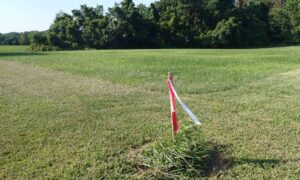

Building a fence sounds simple. You choose a design, hire an installer, and expect everything to go smoothly. However, many homeowners find out the hard way that fence projects can quickly turn into disputes. In most cases, the problem is not the fence itself. Instead, the issue starts when a land survey for fence work is skipped.
Fences look permanent, yet property lines are not always clear. Over time, markers disappear, old fences shift, and assumptions take over. Because of this, knowing when a survey is truly required can save you time, money, and stress.
Why Fence Problems Are So Common
Fence problems usually begin with assumptions. Many people believe the existing fence shows the true boundary. Others rely on online maps or follow tree lines and driveways. While these clues feel logical, they are often misleading.
Property lines are legal boundaries, not visual ones. Older fences may have been placed for convenience rather than accuracy. In addition, land records change over time. As a result, building a fence without a proper land survey for fence placement can quietly create an encroachment.
That is why surveying before construction often prevents problems before they begin.
What a Land Survey for Fence Actually Does
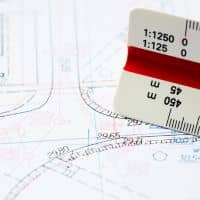
A land survey for fence work shows the exact property boundaries on the ground. It locates corners, measures distances, and marks where your land legally begins and ends. It can also identify easements, setbacks, and right-of-way areas that affect where a fence can go.
At the same time, a survey does not approve fence style or materials. Instead, it gives clear information so the fence is built in the correct location from the start.
When Replacing or Rebuilding an Existing Fence
Replacing an old fence is one of the most common reasons surveys are needed. Just because a fence has been in place for years does not mean it sits on the correct line. Many older fences were installed by guesswork or placed slightly inside the boundary.
Rebuilding without checking often repeats the same mistake. A land survey for fence placement confirms whether the old fence followed the legal boundary or crossed into another property.
When Property Markers Are Missing or Unclear
Many properties no longer have visible corner pins, especially older or wooded lots. In these situations, homeowners often turn to online parcel maps. While helpful for reference, those maps are not accurate enough for construction.
A land survey brings the boundary back onto the ground so fence installers know exactly where to work. This step removes uncertainty before digging begins.
When a Fence Runs Near Roads or Public Areas
Fences built near roads, sidewalks, or alleys require extra care. Roads often include right-of-way areas that belong to the public. Homeowners sometimes assume their property reaches the pavement, which leads to fences being placed too far forward.
A land survey for fence work shows where private ownership ends and public land begins. This prevents future removal orders or conflicts with utilities.
When Fence Placement Is Close to a Neighbor’s Use Area
Fence placement near a neighbor’s driveway, yard, or structure is another high-risk situation. Even a small encroachment can lead to disputes.
With a land survey completed beforehand, boundaries are clearly marked. As a result, both sides can see the line, which helps prevent conflict before it starts.
When Buying or Selling a Property With a Fence
Fence issues often surface during inspections or title review. Buyers may inherit an encroachment if boundaries are not verified. Sellers may face delays or negotiations if a fence location is questioned.
Ordering a land survey for fence verification helps protect both sides and keeps the transaction moving forward.
When the Lot Is Irregular or Sloped
Irregular lots, slopes, and wooded areas often mislead installers. Tree lines and terrain do not follow legal boundaries.
Without a survey, fences may slowly drift away from the true property line. A land survey ensures the fence follows ownership lines instead of visual shortcuts.
What Happens When You Skip the Survey
Skipping a survey may seem like a way to save money. However, it often leads to higher costs later. Common problems include fence removal, legal disputes, and damaged relationships with neighbors.
Fence issues can also affect refinancing and future resale. Most of these problems begin with the same decision—building without confirming boundaries first.
How a Land Survey for Fence Work Saves Money
Although a survey adds upfront cost, it protects a much larger investment. Fence materials and labor are expensive. Rebuilding or relocating a fence costs far more than having a survey done early.
Survey records also remain useful years later if questions arise. That clarity makes future projects, sales, or improvements much easier.
What to Ask Before Installing a Fence
Before construction begins, talk with your surveyor about your fence plans. Ask whether the survey will clearly mark the intended fence line, not just the corners. Confirm that easements and setbacks are identified.
Also, make sure the markers will remain visible during installation. These steps help ensure the fence is built correctly the first time.
Build the Fence Once and Build It Right
A fence should bring privacy and peace of mind, not uncertainty. Knowing when a land survey for fence work is required helps avoid disputes and unexpected costs.
Clear boundaries lead to confident decisions. When you know exactly where your property begins and ends, your fence protects what it should—and your investment stays secure.