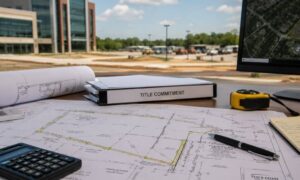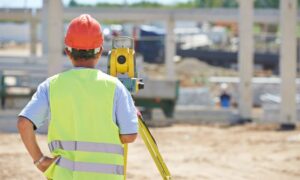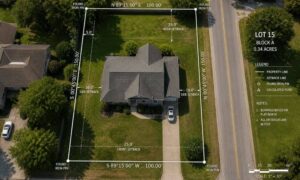
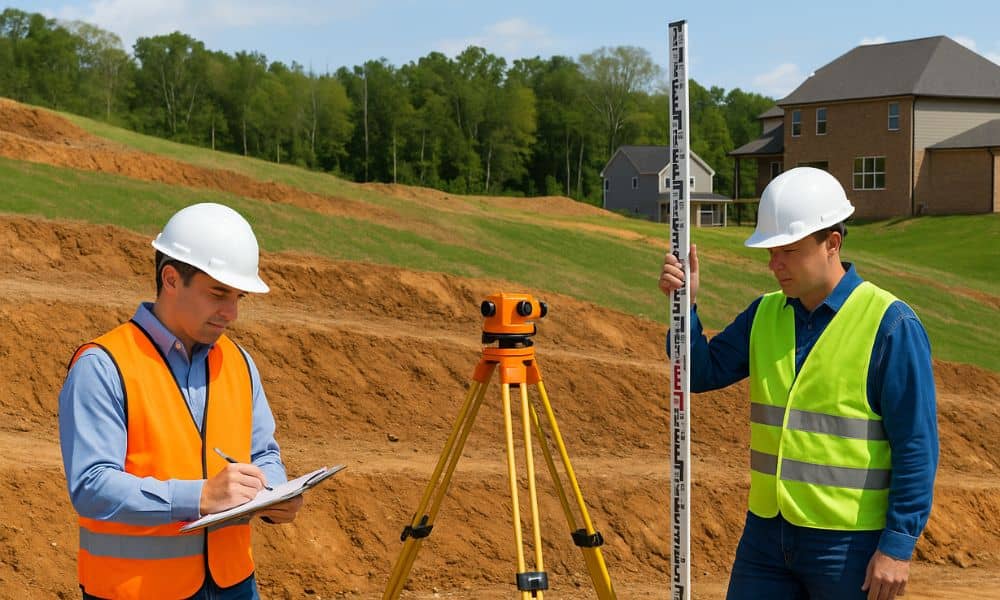
An elevation certificate is essential when building on sloped or multi-tiered land. It provides accurate elevation data that helps set reference points for each level of the site—such as patios, driveways, foundations, and retaining walls. These certified points ensure that every structure lines up safely and properly.
In Warner Robins, where the terrain can shift between flat and rolling, an elevation certificate helps prevent drainage issues, slab mismatches, and construction delays. It gives builders and engineers the verified information they need to stay on track and within code.
Understanding Site Complexity in Tiered Developments Across Warner Robins
Some properties use changing ground levels for design or land-use purposes. In many newer Warner Robins developments, this might include:
- Terraced patios or garden levels
- Driveways with multiple entry points
- Buildings with walkout basements or split foundations
Builders must balance design choices with physical constraints. Without proper elevation control, it’s easy to misplace a structure or create water runoff issues.
Role of Elevation Reference Points in Coordinating Construction Phases
Before any concrete is poured or grading begins, reference benchmarks are placed across the lot. These marks connect elevations from one level to the next whether it’s a raised garage, a lower entry slab, or an upper patio.
With certified data in hand, teams can:
- Prevent mismatches between subgrade and slab levels
- Align building platforms to steps, ramps, or connecting features
- Confirm that foundation edges match engineering plans
This coordination ensures consistency across phases, from excavation to final inspection.
Mapping Cross-Level Structures Using Verified Elevation Data
Many construction projects in Warner Robins now include decks, porches, detached buildings, or sloped driveways. Even small vertical differences between these features can cause issues if not mapped in advance.
Certified elevation points help teams:
- Align stair runs or ramps between levels
- Set proper slope for utility access or storm drains
- Plan support structures like retaining walls without over- or under-building
With the right elevation checks, design elements can function safely and look intentional.
Identifying Risks Without Certified Elevation Reference Controls
Without certified benchmarks, teams may rely on guesswork, which often leads to problems. Understanding why you need an elevation certificate can help avoid drainage issues, uneven grades, and structural misalignment.
- Slab mismatches causing access or ADA issues
- Incorrect grade between surfaces, leading to poor drainage
- Structural elements not connecting as designed
These problems lead to rework, inspection delays, and increased construction costs. Certified data helps prevent all of that.
Coordinating Surveyor Input with Engineering and Building Teams
Elevation certificates aren’t just for compliance, they’re also working tools. Sharing certified benchmarks across the build team makes coordination easier.
Surveyors can assist by:
- Collecting field data during key project phases
- Flagging elevation shifts before they affect framing
- Preparing elevation reports aligned with Warner Robins grading and drainage codes
With this input, contractors can work with confidence, even on complex or tiered sites.
Retaining Elevation Documentation for Post-Construction Verifications
After construction ends, keeping accurate elevation records offers future benefits:
- Verifying that final grade matches approved plans
- Assisting with inspections for drainage, ADA, or zoning compliance
- Supporting future additions or property transfers with clear elevation history
We help store and manage this data so it’s available when needed for permitting, resale, or long-term site planning.
FAQs
1. Why are elevation reference points important on tiered sites?
They ensure that each level of the site aligns properly and supports good drainage, safety, and construction accuracy.
2. What types of projects benefit from this process?
Split-level homes, hillside developments, and any project with multiple ground elevations or structures.
3. Is an elevation certificate required for this?
Yes. It provides the certified elevation data used to set and verify reference points across the site.
4. Can this help avoid drainage issues?
Absolutely. It helps confirm where water will flow and where adjustments might be needed to prevent pooling.
5. Do you offer support for coordinating with engineers and site crews?
Yes. We provide elevation documentation and assist with interpretation, planning, and compliance through every project stage.