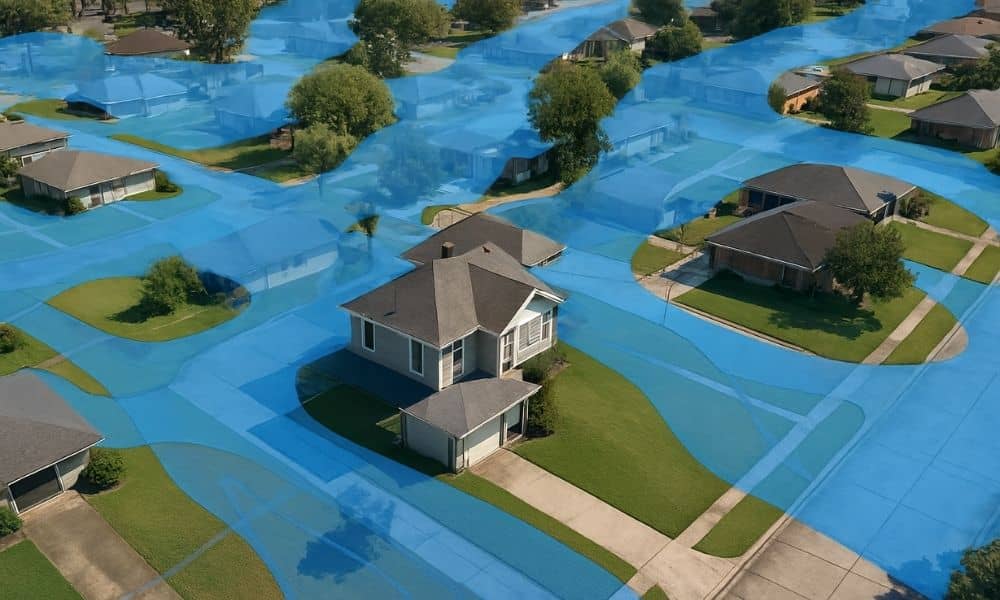
If you live in Columbus, chances are you’ve heard about flood zones. Homeowners near the Chattahoochee River, Weracoba Creek, or Lindsey Creek often get letters from lenders saying they must carry flood insurance. For many families, that extra cost can feel overwhelming. The good news is that you may not actually need to pay those high premiums. An elevation certificate could be your way out.
What Is an Elevation Certificate?
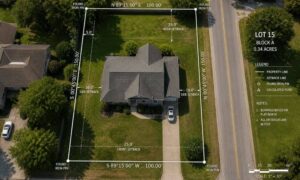
An elevation certificate is a report created by a licensed surveyor or engineer. It shows the exact height of your home compared to the Base Flood Elevation (BFE) set by FEMA. Think of the BFE as the “flood line” FEMA believes water could reach during a major storm.
If your home sits higher than the BFE, the certificate proves you’re at a lower risk of flooding than the map suggests. With this proof in hand, you can ask your lender to remove the flood insurance requirement or reduce your premium.
Unlike other survey documents, an elevation certificate focuses on one thing: risk from rising water. It doesn’t measure your whole property or construction features—only the points FEMA uses to decide whether your house is safe from floods.
Why Columbus Homeowners Struggle with Flood Maps
Flood maps don’t always tell the full story. Many maps for Muscogee County were updated in recent years, and some properties were pulled into flood zones even though they’ve never flooded. If you live along older creeks, your house might be on high ground while FEMA’s map shows otherwise.
That’s where an elevation certificate comes in. By recording your finished floor, crawlspace, and lowest grade next to the house, surveyors can prove your home is safe. Homeowners often rely on elevation certificate to document these details and correct the record. One homeowner in North Columbus discovered their crawlspace sat three feet above the BFE. That simple document helped cut their flood insurance by nearly half.
How an Elevation Certificate Helps with Flood Insurance
There are two main ways an elevation certificate helps:
- Removal from flood insurance requirements – If your home is above BFE, you can apply for a Letter of Map Amendment (LOMA) with FEMA. Once approved, your home is officially out of the flood zone. Lenders can’t force you to carry expensive flood insurance anymore.
- Lower premiums – Even if your home stays in the flood zone, accurate data can lower your risk rating. Insurance companies use your elevation to set costs. The higher your home is above the flood line, the less you pay.
Either way, the certificate pays for itself quickly.
The Steps to Remove Your Home from a Flood Zone
Getting out of a mapped flood zone is simpler than many people think. Here’s how the process usually goes:
Share with your lender and insurer – Once they see the FEMA letter, they can drop or reduce your flood insurance.
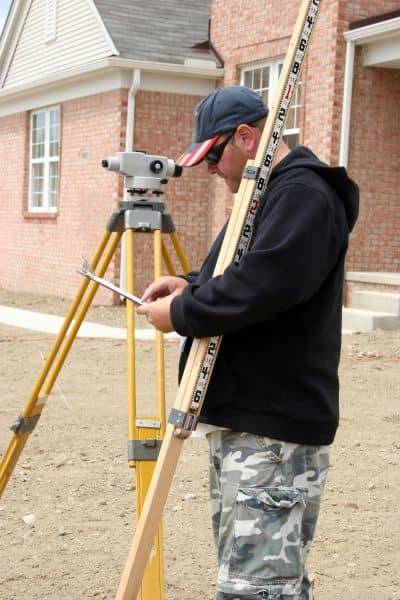
Hire a surveyor – The first step is having your home measured by experts. A professional surveyor team will carefully record your property’s elevations, check crawlspaces or basements, and prepare the official elevation certificate. Having a team that understands FEMA’s requirements helps prevent mistakes and keeps the process moving quickly.
Review your results – If your home sits above BFE, you’re in good shape.
File a LOMA – Submit your certificate and property documents to FEMA through the Online LOMC system. Most Columbus homeowners use the MT-EZ form, which is designed for single-family homes.
Wait for FEMA’s review – The process usually takes a few weeks. If approved, FEMA issues a Determination Document removing your home from the zone.
When an Elevation Certificate Makes Sense
Not every property needs this step. Here are a few common situations where it helps:
- Homes built on bluffs or natural rises that were still mapped in a flood zone.
- Properties around creeks where parcels were drawn too widely on FEMA’s panel maps.
- Subdivisions with mixed results—neighbors may have certificates proving they’re safe while your lender still requires insurance.
- New homebuyers who want to know the true risk before closing.
If you fall into any of these categories, an elevation certificate could be the tool that saves you from paying unnecessary insurance.
Reading the Certificate Without Confusion
At first glance, the certificate looks technical. Don’t worry—you don’t need to understand every box. Pay attention to these key sections:
- Section C2 – This shows your finished floor height and lowest adjacent grade. These numbers are compared directly to the BFE, which comes from detailed survey data for flood certificates collected during the inspection.
- Section E – Used for certain building types like crawlspaces or manufactured homes.
- Section G – The surveyor’s certification, which proves the data is accurate and valid.
If your lowest floor is above the BFE, you’re in a strong position for a LOMA. If it’s below, you may still get a premium reduction.
Common Mistakes That Delay the Process
Homeowners sometimes hit roadblocks. Here are a few pitfalls to avoid:
- Submitting only parcel data instead of structure data—FEMA needs to see the house elevations, not just the lot.
- Using the wrong datum or benchmark—surveyors know the correct standards, so don’t DIY this part.
- Forgetting detached buildings—garages or sheds don’t count the same as your main home.
- Mixing up building types—crawlspaces and basements must be recorded carefully.
Working with an experienced surveyor ensures your application is smooth and accurate.
Life After Approval
When FEMA approves your LOMA, you’ll get an official letter. Hand it to your lender, call your insurance company, and watch your flood costs shrink. Keep a copy in your records, too—it will help if you ever refinance or sell your home.
Some neighborhoods have already seen dozens of homes corrected this way. For buyers, that’s a selling point. For owners, it’s real savings.
Final Thoughts
Flood insurance is important when it’s truly needed, but nobody should pay extra because of outdated maps. An elevation certificate is the tool that cuts through the confusion. It shows the real risk and, in many cases, clears your home from flood zone rules entirely.
If you’ve been told your home is in a flood zone, don’t panic. Start with a surveyor who understands FEMA’s process. The cost of the certificate is small compared to the savings and peace of mind it can bring.