You own a piece of land in LaGrange. Maybe you want to sell part of it. Maybe you want to give a portion to your kids. Or maybe you plan to build another home on the same property. At first, it sounds simple. Just split the land and move on. Then reality hits. You can’t divide land by sketching a line. The county won’t accept it. Buyers won’t trust it. And worse, you could end up with land that no one can legally use. That’s when most people bring in a surveyor to help divide land.
Why dividing land isn’t simple
Land looks wide open when you stand on it. Still, there are rules under the surface.
Each new lot must meet local requirements. It needs road access. It needs enough space. It must fit zoning rules. If one piece fails, the whole split can get denied.
So even if your land feels large, you might not be able to divide it the way you planned.
This is why people call a surveyor before they make decisions.
What a lot split plat really does
A lot split plat turns one property into two or more legal parcels.
That sounds basic, but it carries weight. Once approved, each lot can be sold, built on, or passed down. Without that approval, the split has no legal standing.
So this isn’t just about drawing lines. It’s about creating new property that the county recognizes.
When people usually need a surveyor
Most landowners don’t think about this until something pushes them.
Some common situations:
You want to sell part of your land You inherited property with family members You plan to build another home on the same parcel You want to separate land for future use
In each case, a surveyor helps you figure out what’s possible before you make a move.
What a surveyor checks before splitting land
A surveyor doesn’t guess. They study the land in detail.
First, they check road access. A lot without access often gets rejected. Landlocked parcels cause problems later.
Next, they look at lot size. Local rules in LaGrange set minimum sizes. If your new lot falls short, it won’t pass review.
Then they study the shape. A narrow or awkward lot might meet size rules but still fail usability standards.
They also check what’s already on the land. Driveways, fences, and utility lines can cross into areas you plan to split. That can block approval.
All of this happens before any final drawing. That step alone saves people time and money.
How a surveyor creates a lot split plat
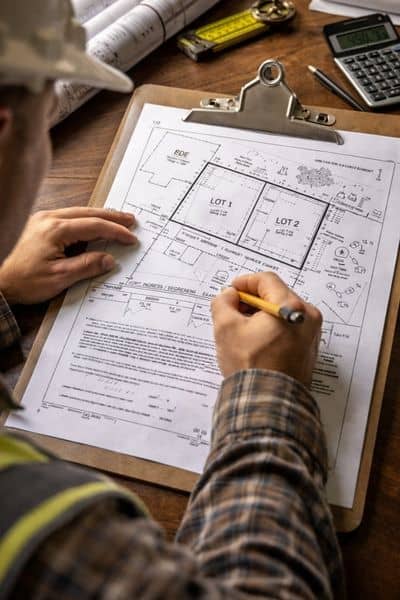
Once the land passes early checks, the real work begins.
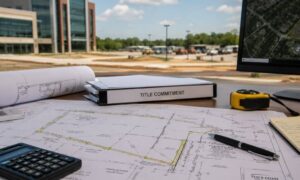
The surveyor starts with records. They review deeds, old plats, and any restrictions tied to the property. This shows what already exists on paper.
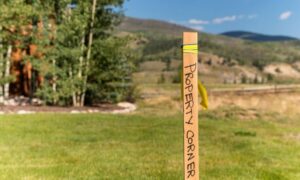
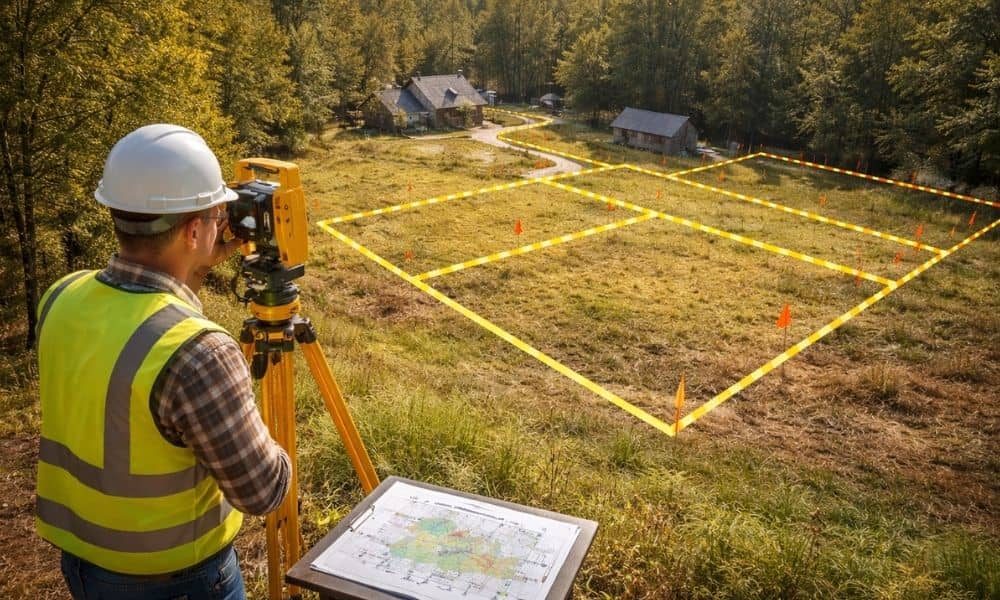
Then they go to the site. They measure boundaries and confirm physical features. This step makes sure the map matches reality.
After that, they plan the split. They lay out new lot lines that follow local rules and make sense for future use.
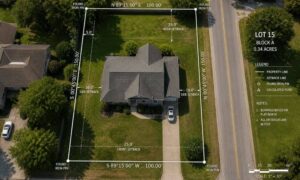
Next comes the plat drawing. This shows the new parcels, their sizes, and their boundaries. It also includes legal descriptions for each lot.
Finally, the plat goes to local officials for review. If something needs adjustment, the surveyor updates it and resubmits.
That process turns an idea into something official.
Common problems that slow everything down
Many delays come from simple mistakes.
Some people try to split land without checking road access. That alone can stop a project.
Others assume their land is big enough without knowing local limits. The numbers don’t always match what they expect.
Some forget about existing features. A driveway or utility line can cross into a new lot and cause issues.
Then there are timing problems. People list land for sale before the split is approved. Buyers show interest, but the deal stalls.
These issues don’t look serious at first. Still, they can drag the process out for weeks or months.
How long it usually takes
The timeline depends on the property and the review process.
The survey itself can take a few days to a couple of weeks. It depends on size, terrain, and records.
After that, local review adds time. If the layout meets all rules, approval moves faster. If not, revisions add delays.
Most problems come from skipping early steps. When everything starts in the right order, the process stays smoother.
Why timing matters more than people think
Many landowners wait too long.
They talk to buyers first. They make plans. They even agree on deals.
Then they find out the land can’t be divided the way they expected.
That’s a tough spot.
Calling a surveyor early changes everything. You get clear answers before you invest time or money. You avoid false promises. And you move forward with confidence.
Turning one property into two the right way
Dividing land sounds simple. In reality, it takes planning, measurement, and approval.
A surveyor guides that process from start to finish. They make sure each new lot works on paper and in real life.
If you’re in LaGrange and thinking about splitting land, start there.
It saves time. It prevents mistakes. And it keeps your plans on track.