Buying land in Ringgold often starts with excitement. You find a good property, talk numbers, and move forward. Then the paperwork shows up. One part of that paperwork causes more trouble than most people expect: Schedule B. Many buyers move fast because they don’t want to miss out. They end up getting an alta survey in Ringgold early just to keep things moving. It seems like the right step at the time. Still, delays and extra costs often start here. The issue usually comes from details buried in Schedule B. If you don’t review it early, problems can show up later.
This guide keeps things simple. You’ll see what Schedule B means, how it affects your survey, and how to spot issues before they slow you down.
What Schedule B Means for Your Property
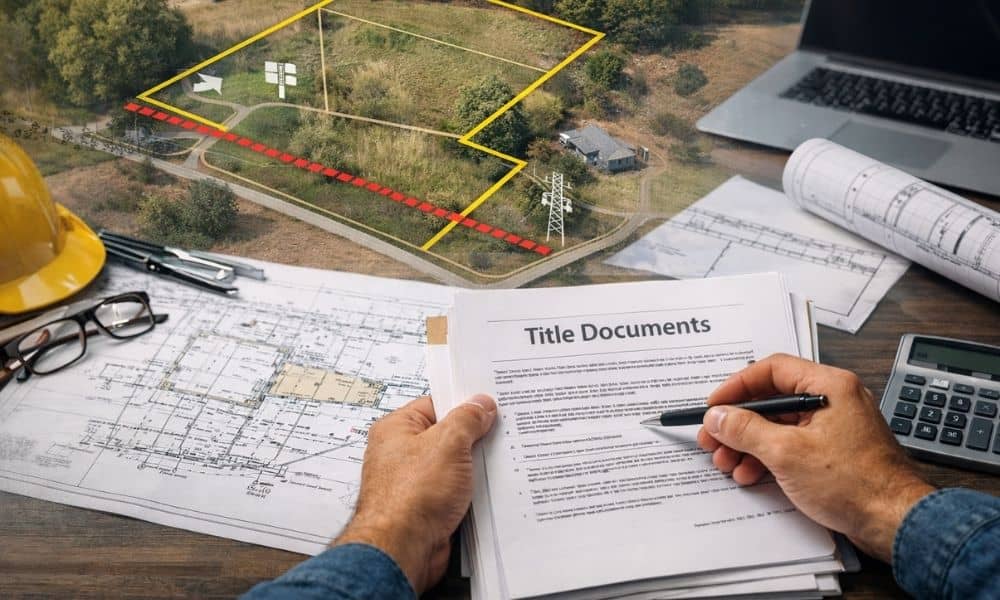
Schedule B comes with your title commitment. It lists items tied to the land, and those details can affect how you use the property, where you can build, and how you access it.
Some of it looks harmless at first. Other parts can quietly change what you planned to do. For example, an easement might allow a utility company to run lines through your property. You may not see anything on the ground, but that right is still there.
An ALTA survey puts much of that information onto a map. What shows up really depends on the title information the surveyor receives and how clear it is. When everything is clear, things move smoothly. When it isn’t, the surveyor usually has to stop and ask follow-up questions.
That’s why it helps to have a rough idea of what an ALTA survey includes before you even place the order. It just makes the whole process easier to follow.
Why Timing Matters Before You Order an ALTA Survey
People often assume the survey will reveal everything. That idea causes trouble.
A surveyor works with the title commitment you provide. If Schedule B has missing details or unclear wording, those gaps carry into the survey. Then you end up fixing things mid-process.
This leads to delays, extra calls, and added cost. It can also push back your closing date.
On the other hand, a quick review before ordering your alta survey keeps things clean. You know what to expect, and the survey matches your needs from the start.
How to Read Schedule B Without Getting Overwhelmed
Schedule B can look long and confusing. Still, you don’t need to understand every line. You only need to focus on items that affect real use of the land.
Start by scanning for anything tied to access, utilities, or building limits. These are the items that matter most in real life.
Next, look for references to recorded documents. You’ll often see book and page numbers or document IDs. These point to records that explain the item in more detail.
Then pay attention to broad or unclear language. Phrases that sound general can hide real issues. If something feels unclear, treat it as a flag and look closer.
You don’t need legal terms to do this. You just need to think about how each item could affect your plans.
Where Problems Usually Show Up in Schedule B
Some items show up again and again in Ringgold transactions. These deserve a closer look because they often affect how you use the property.
Easements are a common example. Some easements don’t show a clear location. That creates risk because you won’t know where they sit until the survey digs deeper.
Access rights can also cause issues. You may share a driveway or road with another property. That can limit changes later and affect how traffic moves on the site.
Utility rights show up often as well. Power lines, water lines, and sewer lines can cross the property. If you don’t know where they run, you might plan a building in the wrong place.
Some properties also include use restrictions. These rules can limit what you build or how you use the land. They don’t always appear in listings, so they can catch buyers off guard.
Each of these items deserves attention before you order your alta survey.
How Schedule B Shapes Your ALTA Survey

Your survey is not just a standard product. It depends on the information you provide.
The surveyor uses your title commitment, along with your instructions, to decide what to show. If Schedule B includes items that need more detail, the survey should reflect that.
If you review Schedule B first, you can guide the process. You can ask the surveyor to focus on certain items or confirm their location.
If you skip that step, the survey may look complete but miss something important. Then you have to go back and fix it.
That back-and-forth wastes time and money. A simple review upfront helps avoid that.
Mistakes Buyers Make When They Skip This Step
Many buyers move too fast. They order an alta survey before they even read the title commitment. That creates confusion later.
Some assume all Schedule B items are minor. They treat the list as routine paperwork. Then they discover a restriction or easement that changes their plans.
Others ignore unclear wording. They expect the survey to solve the problem. In reality, unclear items often lead to more questions, not fewer.
Another common mistake involves older properties. Buyers think fewer records exist, so fewer issues will appear. In many cases, older land carries more hidden agreements.
These mistakes don’t seem serious at first. Still, they often lead to delays and added cost.
Why Local Knowledge Helps in Ringgold
Ringgold has its own patterns when it comes to land use. Utility layouts often follow similar paths. Older parcels may include long-standing agreements that don’t show up right away.
A local surveyor understands these patterns. That helps you spot which Schedule B items need attention.
They can also explain how those items may affect your plans. That makes your alta survey more accurate and more useful.
Working with someone who knows the area saves time and avoids confusion.
Review First, Then Move Forward with Confidence
The process works best when you slow down for a moment at the start.
When you review Schedule B before ordering your alta survey, you stay in control. You know what affects the land, and you give clear direction to your surveyor.
When you skip that step, problems show up later. Then you react instead of plan.
A short review now can save time, money, and stress later. That makes it one of the smartest steps you can take before moving forward.