Most people think building a fence is easy. You pick your boundary, set the posts, and move on. However, a recent situation in Georgia showed how quickly things can go wrong. A fence project raised serious concerns because the boundaries were not clearly checked first. As a result, what seemed like a simple upgrade turned into a much bigger issue. The problem was not the fence itself. Instead, it started before any work began. The property lines were never clearly confirmed, since they moved forward without ever having a lot survey done first.
Because of that, questions came up later. And once that happens, fixing the problem is never simple.
Why a Fence Defines More Than Just Space
At first glance, a fence feels like a small improvement. It adds privacy, keeps pets safe, and gives your yard a finished look. Still, it also does something more important. It defines how land is used.
In other words, a fence shows where your property ends. That makes it more than just a structure. It becomes a physical line that affects access, layout, and future plans.
Because of this, even a small mistake can cause big problems. A fence placed just a few feet off can change how your land functions. It can also create issues that are hard to fix later.
Why Guessing Property Lines Is Risky
Many homeowners feel confident about their lot. They believe they already know where the lines are. For example, they might rely on an old fence, a row of trees, or a corner marker they found years ago.
However, these visual clues can be misleading.
Over time, markers can shift or disappear. Older fences may not follow the true boundary. In some cases, past work on the property may have skipped precise measurements altogether. Because of that, what looks right may not match what is legally recorded, and that’s usually when problems start, especially if no one ever got clear boundaries from a lot survey in the first place.
A lot survey takes away that uncertainty. It shows what is real, not just what seems to be there.
What a Lot Survey Shows Before You Build
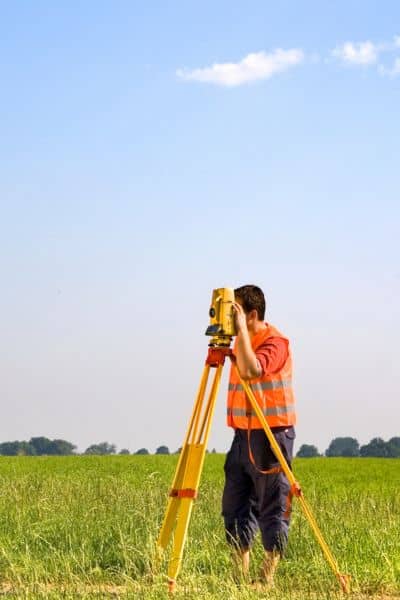
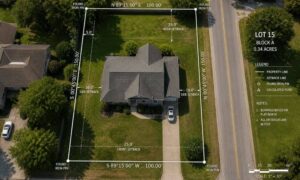
A lot survey gives you a clear view of your property. It shows the true shape and size of your land based on accurate measurements.
More importantly, it helps you understand where you can safely build.
Before installing a fence, a lot survey can reveal if your planned layout matches the actual boundaries. It also shows if existing features line up correctly or if they are off.
Because of this, you can move forward with confidence. Instead of guessing, you are working with verified information.
That small step can make a big difference in how your project turns out.
What Happens When You Skip This Step
At first, skipping a lot survey may seem like a way to save time or money. The fence goes up, and everything looks fine. However, issues often appear later.
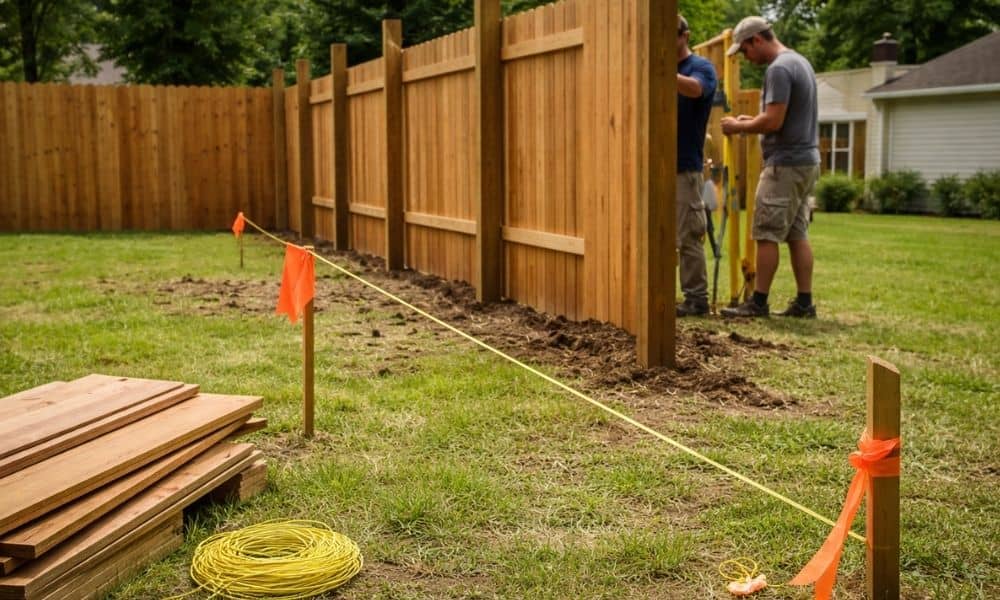
For example, you may find out that the fence is not where it should be. When that happens, you may need to move it. That means paying for labor and materials all over again.
In other cases, your project may stop while the situation is reviewed. This can delay other plans and create stress.
Sometimes, the layout of your property also changes. A fence placed incorrectly can affect driveways, landscaping, or future additions. As a result, you may need to redesign parts of your space.
Costs can add up quickly. And most of the time, the problem traces back to one decision made at the start.
The boundaries were never confirmed.
Why This Is Common in Georgia
Georgia has many properties with long histories. In areas like Ringgold, land has changed hands over time. Because of that, records may not always match what you see on the ground today.
Some lots have irregular shapes. Others may have older layouts that were never updated. In some cases, nearby features may give the wrong idea about where boundaries are located.
Because of this, relying on visual markers alone can lead to mistakes.
A lot survey helps clear that up. It gives you a reliable starting point before any work begins.
Even Small Projects Need Proper Planning
It is easy to think that surveys are only for large construction jobs. However, that is not true. Even small projects can create lasting issues if they are not planned carefully.
A fence may seem simple, yet it changes how your land is used. It sets limits, controls access, and shapes your space.
Because of that, it deserves the same level of care as bigger projects.
Taking time to confirm your boundaries first helps avoid problems later. It also makes sure your project stays on track from the beginning.
The Real Lesson for Property Owners
The recent situation in Georgia shows an important lesson. Problems often start before construction even begins.
A fence is not the issue by itself. The real issue is building without clear information.
When you skip a lot survey, you are making decisions based on assumptions. And when those assumptions are wrong, the results can be costly.
Instead, starting with the right information puts you in control. It helps you avoid delays, reduce risk, and protect your investment.
Final Thoughts
If you are planning to install a fence, it is worth taking a step back first. Do not rely on what looks right. Make sure you know where your boundaries truly are.
Because in the end, building in the right place is always easier than fixing a mistake later.
And it all begins with a lot survey.