If you own a home, your land is one of your biggest investments. But many people don’t really know where their property begins and ends. That’s where a property line survey comes in. A property line survey shows your exact boundary lines on a map and on the ground, giving you a clear way to see how a property survey defines your boundaries. Without it, small mistakes can turn into big problems.
In growing areas like Warner Robins and across Georgia, new houses, fences, and renovations are happening all the time. That means boundary questions pop up more often than you might think. Knowing the most common mistakes people make can help you protect your home, your money, and your peace of mind.
Let’s take a friendly, easy look at these common mistakes and how you can avoid them.
1. Thinking a Fence or Tree Is Your Boundary
One of the biggest mistakes people make is assuming something physical on the ground is the real property line. Maybe there’s a fence in your yard. Maybe there’s a big tree that looks like it sits right on the edge. It might feel right, but looks can be wrong.
The problem is that many fences, trees, or driveways were put in without a real survey. Over years, those landmarks don’t always match the legal boundary described in your deed or in county records. Old property markers can get knocked over, buried, or even moved during construction. This means people often rely on guesswork instead of facts.
To avoid this mistake, never trust what you see on the ground. Get a professional property line survey that shows the true legal lines. A licensed surveyor will measure carefully and find the real boundary — not just what seems obvious.
2. Skipping a Survey Before You Build or Fix Something
Maybe you want to build a fence. Maybe you plan a deck, shed, garden wall, or even a pool. Many homeowners think these projects are small and don’t need a survey. That’s a mistake.
If you build without knowing your true property lines, you might accidentally put part of your structure on your neighbor’s land. That can lead to tension, conflict, or even legal trouble. Boundary disputes are more common than you might think, and they usually happen when someone uses old assumptions instead of real survey data.
A property line survey before construction helps you stay on the safe side. It gives you the clear information you need. This way, you can plan confidently and avoid surprises.
3. Relying on Old or Outdated Surveys
Sometimes people find an old survey for their property that was done years ago. It might seem good enough, but it often isn’t. Old surveys may not follow modern measurement standards or updated legal descriptions. Changes in the land, new development, or updated county records can make old notes unreliable.
Outdated surveys can put you in a tricky spot. You could think you know where your line is, but what if local regulations changed? Or what if the original markers weren’t placed correctly in the first place? These errors can cause boundary disagreements later.
To avoid this, ask for a new property line survey if you are planning work or buying a house. A licensed land surveyor will use up-to-date tools and records to find the exact line with modern accuracy.
4. Misreading Deeds or Plat Maps
Legal property records, like deeds and plat maps, are full of numbers, lines, and old-fashioned terms. Trying to read these without guidance is like reading a foreign language. Many homeowners misinterpret these records and end up with the wrong idea about their property boundaries.
A deed might say something like “North 100 feet to the oak tree,” but what does that mean on the ground? Trees can die or move over time, and deed language may not be enough on its own to place your line.
A professional surveyor knows how to read these legal descriptions and connect them to real points on your property. They use the deed as part of their work, but they don’t stop there. They verify everything carefully on site.
5. Believing an Agreement With Your Neighbor Is Enough
Sometimes homeowners talk with their neighbor and agree that a certain fence or line is fine. That sounds easy, but it can cause problems later. Friendly agreements aren’t legally binding. If a neighbor moves, sells their home, or changes their mind, that old verbal agreement no longer protects you.
Without an official property line survey, there is nothing to prove where the true boundary lies. That means disagreements can escalate quickly, and you might not have evidence to support your side.
A good property line survey gives you a clear, written, and legally recognized boundary that stands even if neighbors change.
6. Thinking DIY or Online Maps Are Good Enough
Many people try to use online maps or GPS apps to guess their property lines. While these tools are great for general directions, they are not accurate enough for legal property boundaries. Satellite images and phone apps can be off by several feet or more — and that’s enough to cause a big problem.
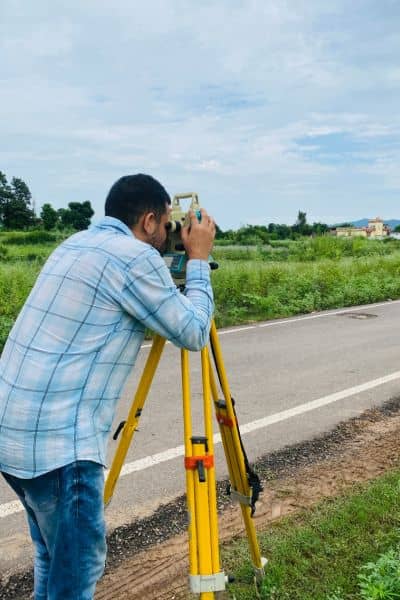
Only a licensed professional land surveyor has the right tools to measure your property precisely. They use equipment that can measure to within mere inches. This level of accuracy matters when you’re planning any improvement or concern about property lines.
What to Do Instead — Clear Steps That Work
Now that you know the common mistakes, what should you do?
First, always plan a property line survey before making changes or starting construction. Second, hire a licensed land surveyor who knows the local rules in Georgia. They can read deeds, find old markers, and use the best tools to measure correctly.
Third, share your survey results with your neighbors. Let them see where your boundary lies so everyone is on the same page. This simple step can stop many disputes before they begin.
Finally, keep copies of your survey for future use — selling, renovating, or just for peace of mind.
Wrap-Up: Knowledge Saves Money and Stress
Owning land is a big deal, and understanding your property helps protect your investment. The mistakes above might seem small, but they can lead to expensive problems.
A property line survey is your best defense against guesswork, disagreements, or construction headaches. When you know exactly where your land begins and ends, you avoid trouble and make smarter decisions for your home.
If there’s one thing to remember, it’s this: seeing isn’t always knowing. A fence might look straight, a tree might seem like the edge — but only a professional survey will make it real.