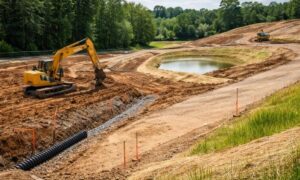
When people hear about new roads, rail lines, or public projects in Savannah, they often picture construction crews and heavy machines. What most people do not see is what happens first. Before any work begins, land surveying sets the stage. Every major infrastructure project starts with measuring the land, checking property lines, and studying maps. Without this early work, projects slow down, costs increase, and legal problems appear.
Recently, Savannah residents have seen more talk about future transportation and land planning. One example is the public survey released by the Georgia Department of Transportation for a possible Atlanta-to-Savannah passenger rail line. While the survey asked for public opinions, the real work behind it depends on surveyors. That is why land surveying always comes before construction.
Big projects need facts before plans
Every large project begins with an idea. Still, ideas alone cannot move forward. Planners need accurate facts about the land. Land surveying provides those facts.
Surveyors find exact property lines. They measure slopes, elevation, and natural features. They also locate easements, utilities, and access points. Because of this work, engineers can design projects that fit the land instead of fighting it.
Savannah makes this step even more important. The city has historic areas, coastal land, and fast-growing neighborhoods. Each area has different rules and risks. Surveying helps everyone understand the land before decisions are made.
How public surveys turn into real work
Public surveys seem simple. People answer questions and share opinions. However, once agencies review the feedback, the technical work begins.
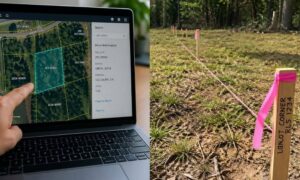
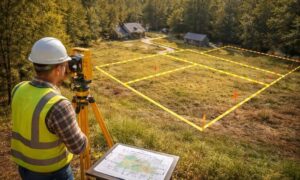
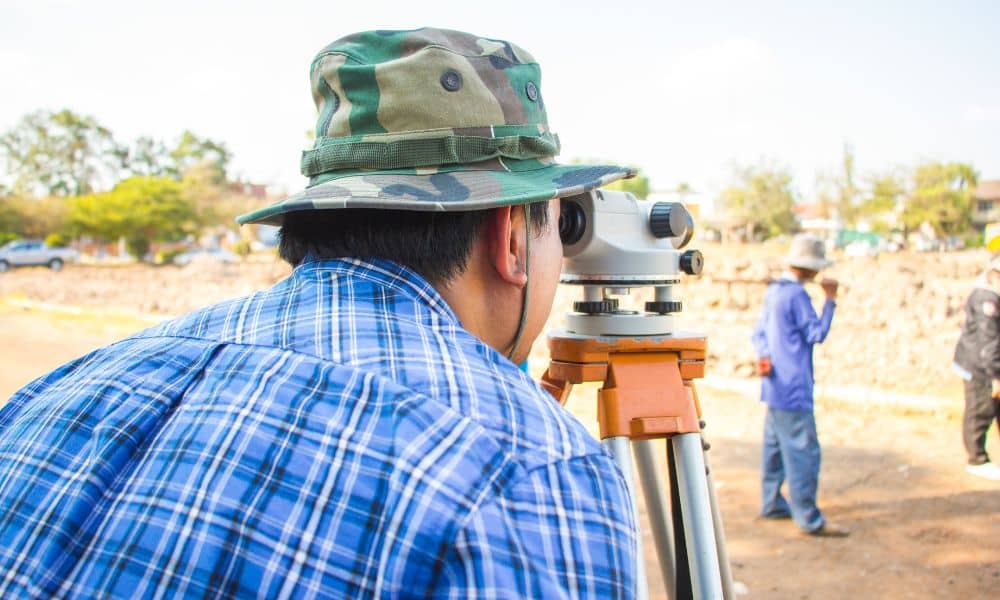
Surveyors go into the field to study possible routes and project areas. They measure land along corridors and review property records. They also collect topographic data to understand drainage and elevation changes.
This information helps planners see what is possible and what is not. Because of this process, land surveying turns public ideas into real, workable plans.
The work most people never notice
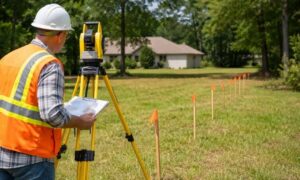
Most people never see survey crews working during early project stages. Still, their work shapes everything that follows.
Surveyors:
- Confirm property boundaries
- Find land limits before design
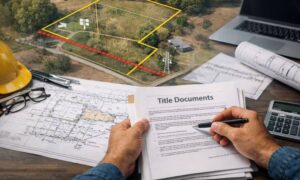
- Create accurate maps for engineers
As a result, construction teams avoid surprises later. Projects move faster and stay closer to budget.
In Savannah, where land history and ownership can be complex, this accuracy protects both public money and private landowners.
Why land surveying matters to property owners
Many people think surveying only affects government projects. That is not true. The same steps apply to private land development.
When developers plan subdivisions, they rely on survey data. When businesses build near public roads, surveyors confirm access and boundaries. Even homeowners benefit when surveys prevent disputes with neighbors.
Because of this, understanding how big projects work helps property owners see why early surveying matters for smaller projects too.
Why projects take longer than expected
Many clients ask why projects take so long before construction starts. Often, land surveying explains the delay.
Surveyors must research records, coordinate with agencies, and complete fieldwork under the right conditions. These steps take time. However, skipping them causes bigger delays later.
Savannah’s growth and coastal environment make timing even more important. Early surveying reduces risks related to flooding, soil conditions, and zoning rules.
Surveying protects money and reduces risk
Every infrastructure project involves risk. Land surveying helps lower that risk.
Accurate surveys help prevent:
- Property line disputes
- Costly design changes
- Permit problems
Because surveyors find issues early, planners can adjust before spending large amounts of money. This approach saves time and protects everyone involved.
In Savannah, where land values and regulations vary widely, this protection is critical.
Big and small projects follow the same path
Whether it is a passenger rail line or a local road upgrade, the process stays the same. Surveyors prepare the foundation. Engineers design using that data. Builders follow with confidence.
This quiet process explains why land surveying does not make headlines but still supports progress every step of the way.
What residents should remember
Infrastructure projects do not start with construction. They start with understanding the land. Public surveys open discussion, but surveyors turn those ideas into action.
For residents, this matters. It explains why planning takes time and why early surveying protects property rights and public investment.
In the end, every successful project shares one truth: land surveying makes progress possible.