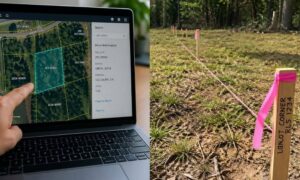
Many homeowners in Ringgold, start with a simple step when they want to understand their land. They open a county GIS map and look at their property shape. It feels fast, clear, and official. So it becomes the first tool people trust when they try to find property lines.
But problems start when real life does not match what the screen shows. A lot of people only discover the gap when they plan something important like building, buying land, or making changes to their property. The map looks correct at first, but later it does not match the legal boundary on record.
This gap between digital maps and real property lines is becoming more common. It is not always obvious at the start, but it shows up at the worst time. That is why more homeowners now want to understand what GIS maps can and cannot do.
What GIS Maps Actually Show
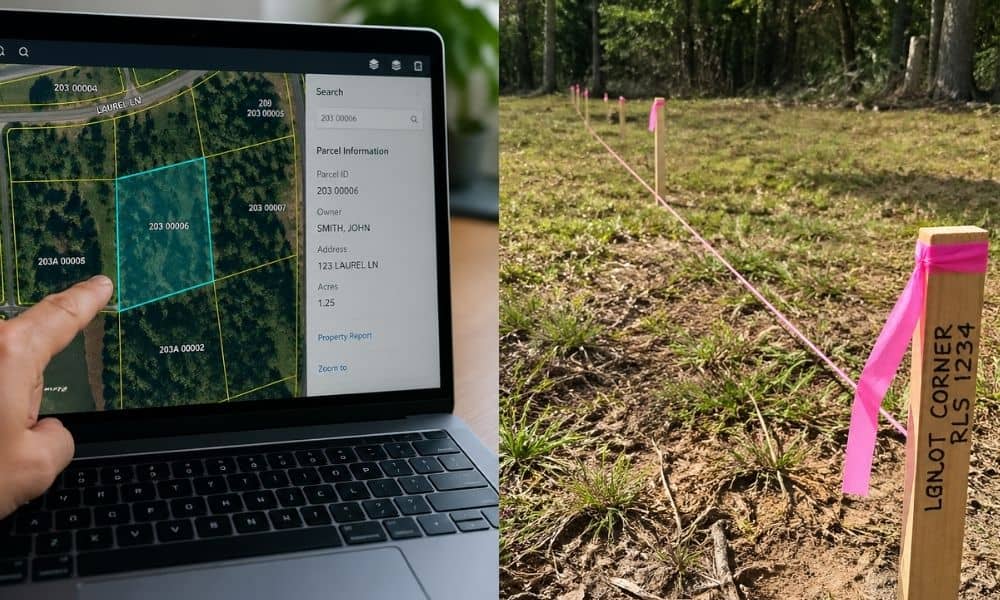
GIS maps are digital tools created by counties to help people view land parcels. They are easy to use and available online, so anyone can check a property in seconds. You can zoom in, see a lot of shapes, and compare nearby parcels.
Still, these maps are not the same as legal surveys. They are built using many data sources combined into one visual system. Because of this, the map focuses on general location and shape instead of exact legal measurement.
The goal is clarity for viewing, not legal proof. So what you see is a simplified version of land information. It helps with understanding location, but it does not confirm exact property lines on the ground.
Why Homeowners Trust GIS Maps
Most people trust GIS maps because they are easy to access. You do not need special tools or training. You just search for an address and the property appears.
It also feels official since it comes from the county. Many assume that if the government shows it, it must be exact. This creates confidence in the map even without checking other records.
Another reason is speed. Instead of waiting or calling someone, people can view their land instantly. So GIS becomes the first step when they try to find property lines.
But convenience can hide small errors. The map may look right, but it does not always reflect the exact legal boundary.
Where GIS Maps Start to Break Down
Problems usually show up when digital maps meet real land records. In Ringgold, that mismatch can happen in a few different ways.
A lot of property lines come from older paper records that were created long before digital mapping existed. When those records get converted into modern systems, small shifts can happen. You might not notice them on a screen, but they can matter more when measurements are checked closely on the ground.
There are also cases where land was originally described using directions and distances instead of modern coordinate systems. When that information gets translated into a visual map, things don’t always line up perfectly.
Timing adds another layer to it. Records can change, but mapping systems don’t always update at the same pace. So what’s already official in one place might not show up right away on a GIS map.
When all of that comes together, it’s not unusual for people to see differences between what the map shows and what the property actually is. That’s usually when they start looking for a clearer way to figure out how to find property lines before making any decisions on the land.
Real Situations Where Confusion Starts
This issue usually becomes clear when someone tries to use their land for something specific.
A homeowner may plan a new structure and check the GIS map first. The map shows one layout, but later documents show a different boundary. That creates uncertainty about where construction can safely go.
In another case, someone may review land before a purchase. The parcel shape looks simple online, but deeper records show irregular edges or missing alignment details. This creates questions that were not visible at first.
There are also times when people start preparing permits or planning improvements. Everything seems fine at the beginning, but later checks reveal that the digital map does not fully match recorded land descriptions.
These moments are not always dramatic at first. They often start with small doubts, then grow when more accurate information is needed.
Why This Happens More in Ringgold
Ringgold has a mix of older land records and newer developments. Some areas were mapped long before modern digital systems existed. Others were added later using updated tools.
Because of this mix, not all properties follow the same data structure. Some are precise and recent, while others rely on older descriptions that were never fully updated in digital systems.
Local geography also plays a role. Changes in land use over time can create differences between recorded documents and visual mapping layers. These differences are not always obvious until someone compares them closely.
So when homeowners try to find property lines using only GIS maps, they may see small gaps between what is shown and what is legally recorded.
How Property Lines Are Actually Confirmed

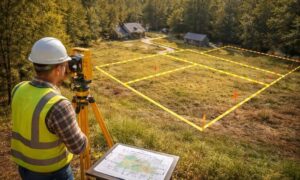
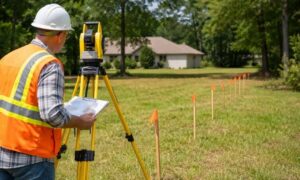
When accuracy matters, professionals do not rely only on digital maps. They use recorded documents and field verification.
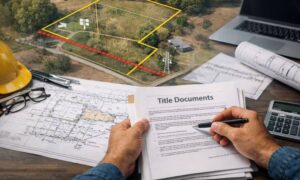
Legal property lines come from deed records and official surveys. These documents define exact boundaries using measurements and reference points. Surveyors then compare these records with what is physically present on the land.
They also look for markers on site that relate to earlier surveys. These help connect written records to real locations. By combining documents and field checks, they establish the true boundary of a property.
This process is more precise than visual mapping because it is based on legal records, not simplified digital layers.
What Homeowners Should Keep in Mind
GIS maps are helpful when you just need a quick look at a property. They give you a general idea of shape and location, which is often enough for early research or simple curiosity. But that’s where their job ends.
Once planning starts getting more serious, like building something, buying land, or checking where something can actually go, problems can show up if you rely only on what you see on the screen. The map might look clear, but it doesn’t always line up perfectly with the legal records tied to the land.
That’s why GIS works best as a reference, not a final answer. It helps you understand the layout, but it doesn’t lock in exact boundary lines.
When accuracy really matters, especially before construction or a purchase, that’s usually when a property line survey in Ringgold is used to confirm what’s actually on the ground instead of relying only on the map.
What This Means for Property Owners
More homeowners are now realizing that digital maps do not always match legal land boundaries. This becomes clear when plants move from ideas to real action.
So the key point is simple. GIS maps help you see your property, but they do not define it with legal precision.
When people try to find property lines, the difference between visual data and legal data becomes important. Understanding that gap helps prevent confusion and supports better decisions before any land use changes begin.