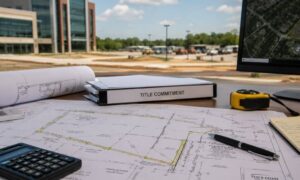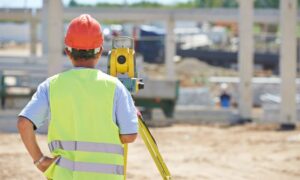
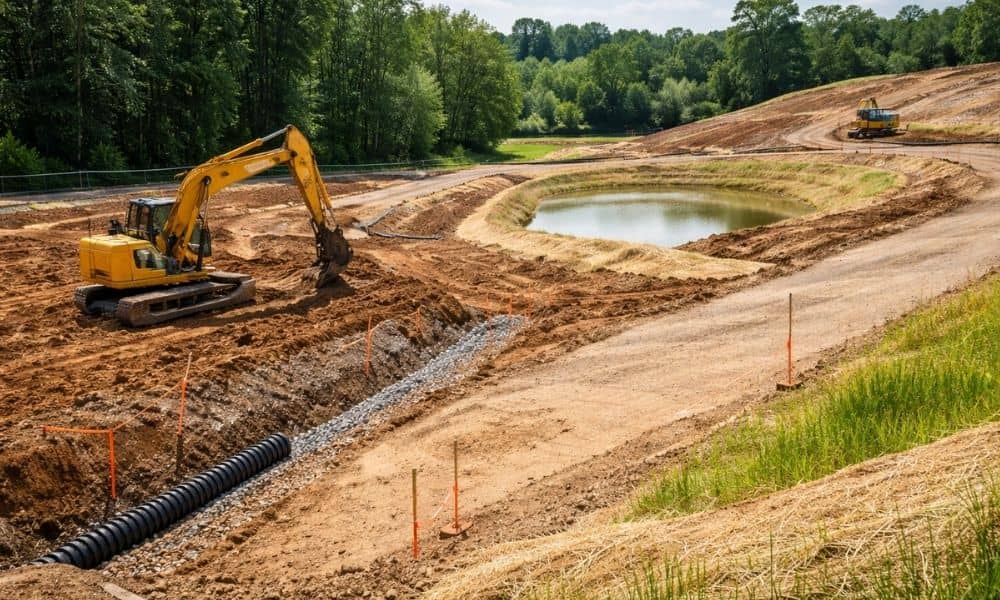
Building on land in Atlanta is not always simple. A piece of land may look flat and ready, but problems can show up once work begins. Water may collect in the wrong place. Soil may shift. Plans may not match what the land can handle. A land development engineer helps solve these problems before they get worse. They take the survey results and turn them into a plan that works in real life, not just on paper.
Atlanta Land Can Be Tricky
Atlanta has a lot of clay soil. This kind of soil changes when it gets wet or dry. When it rains, the soil can swell. When it dries, it can shrink. This can affect how strong the ground is.
Atlanta also gets steady rain. Water does not always flow the way you expect. A yard that looks fine on a sunny day can hold water after a storm.
A land development engineer studies how the land will act over time. They do not just look at how it looks today. They plan for what will happen after the land is changed.
What Happens After the Survey
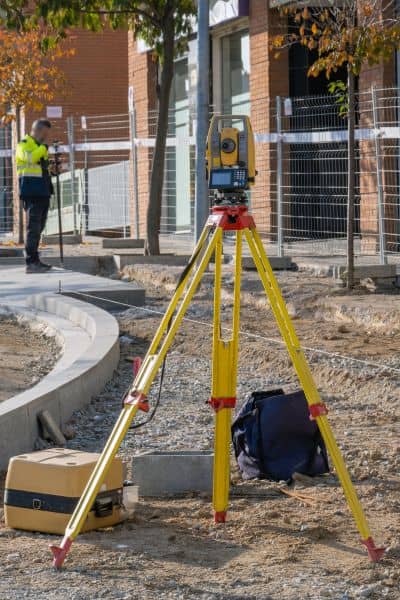
A survey shows the size, shape, and height of the land. It gives clear data. But it does not say how to build on it.
This is where the land development engineer steps in. They take the survey and start shaping the plan.
They decide how high or low the ground should be. They look at where water will go. They make sure cars can enter and leave safely. They also check that the plan follows local rules.
This step connects the land to the building plan. Without it, problems often show up later.
Why Drainage Is a Big Deal in Atlanta
Water control is one of the biggest parts of any project in Atlanta. When rain falls, it has to go somewhere.
If the land is not planned well, water can pool, wash away soil, or flow into nearby lots. That can cause damage and delay the project.
A land development engineer plans how water will move. They shape the ground so water flows in the right direction. They design ways to slow it down and guide it safely off the site.
When this is done right, the site stays stable. When it is done wrong, problems keep coming back.
Grading Shapes the Whole Site
Grading means changing the height of the land. It may sound simple, but it affects everything.
If the ground is too steep, cars may not be able to use the driveway. If it is too flat, water may not drain. If it is uneven, building costs can rise.
In Atlanta, land is often not flat. A land development engineer adjusts the ground so it works for both people and water flow.
Good grading keeps the project balanced. Poor grading creates problems that are hard to fix later.
Permits Must Match the Plan
In Atlanta, projects must follow local rules before building can start. These rules come from cities and counties. Each place may have different standards.
A land development engineer prepares plans that meet these rules. They make sure the design fits what the local office expects.
If something is missing or incorrect, the plan may be rejected. That slows the project down.
Getting it right early helps avoid delays.
Keeping Everyone on the Same Page
Many people work on a project. Surveyors measure the land. Designers plan the building. Contractors do the work.
The land development engineer connects all of them.
They make sure the plans match the land. They check that the work follows the approved design. If something changes on site, they help adjust the plan.
This keeps the project moving and reduces mistakes.
Atlanta Projects Are Getting Tighter
Atlanta is growing fast. Open land is becoming harder to find. Many projects now use smaller or older sites.
These sites leave less room for changes. Plans need to be accurate from the start.
A land development engineer works within these limits. They make sure the site still works even when space is tight.
How This Fits in the Process
Before engineering starts, most projects already have some steps done. A survey is completed. Boundaries are clear. The owner knows what they want to build.
Engineering takes that information and turns it into a working plan.
It builds on steps like topographic survey before construction, connects with how drainage issues are identified on site plans, and supports the idea behind why land surveying comes first in infrastructure projects.
Each step helps the next one work better.
Small Mistakes Can Grow Fast
Problems in land projects often start small. A slope may be slightly off. Water may not drain the right way. A plan may miss a detail.
These small issues can grow into bigger ones. Fixing them later costs more time and money.
A land development engineer helps catch these early. They fix them while the plan is still flexible.
Planning Makes the Difference
Atlanta land needs careful planning. Soil, water, and rules all affect how a site should be built.
A land development engineer brings all of this together. They turn survey data into a clear plan that works in real conditions.
For property owners, this means fewer surprises and a smoother project. Starting with a solid plan makes everything that follows easier.