Most people think the hard part of construction is over once the building goes up. The walls are finished, the driveway looks great, and the project finally feels complete. Then an unexpected problem appears.
This is where the question of why an elevation certificate can delay your final building approval becomes very real for many property owners.
The city will not give final approval.
For many property owners, the delay comes from one document: the elevation certificate. This issue surprises homeowners because everything looks finished. However, flood zone rules, height limits, and elevation checks still matter before the city signs off. Because of that, even a small mistake or missing detail can stop the entire approval process.
Understanding this early can save time, money, and stress.
What Is an Elevation Certificate?
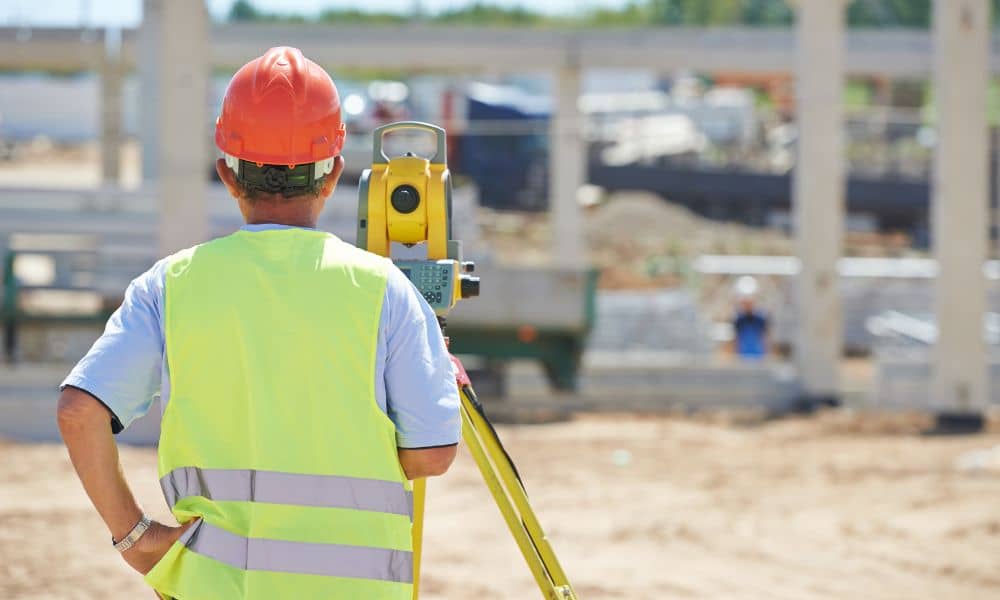
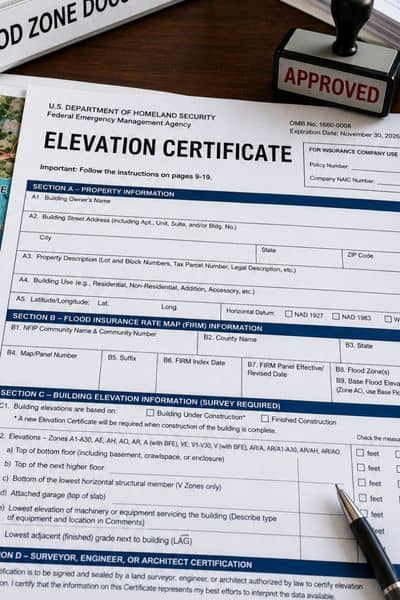
An elevation certificate is a document prepared by a licensed surveyor that shows how a building sits compared to flood levels. It confirms floor height, flood zone status, and structure elevation.
A surveyor collects precise field measurements and compares them to FEMA flood standards.
Key information included:
- Lowest floor height
- Base flood elevation (BFE)
- Foundation type
- Flood zone classification
- Property elevation data
Because of this, the certificate becomes important for insurance companies, lenders, and city officials. Without it, a project may stop even if construction is already complete.
Why Cities Require Elevation Certificates
Cities require elevation certificates to make sure buildings meet flood safety rules. This helps reduce damage during storms and flooding.
When a property sits in a flood zone, officials must confirm that it is built high enough above expected water levels. If it is not, even a strong storm can cause serious damage.
Because of this, cities may require an elevation certificate before:
- Final inspection
- Certificate of occupancy
- Utility activation
- Permit closure
Even small elevation differences can matter. For example, missing the required height by just a few inches can still lead to rejection.
How Elevation Certificate Delays Happen
Elevation certificate delays usually do not happen at the last minute. In fact, they often start much earlier during planning or construction.
Here are the most common reasons:
1. The certificate is ordered too late
Many property owners wait until construction is finished. At that point, survey scheduling can take time, which slows down approval.
2. The finished floor is too low
Sometimes small construction changes affect elevation. If the final floor sits below required height, the city may stop approval until corrections are made.
3. The property is in a flood zone
Some owners only discover flood zone rules late in the project. Once identified, the elevation certificate becomes required before approval can continue.
4. Missing or incorrect information
Even small errors like missing signatures or outdated flood maps can delay approval until the document is corrected.
Why This Problem Is Becoming More Common
This issue is becoming more common across many areas. One reason is that cities are now stricter about flood safety rules. Stronger storms and changing weather patterns have increased the risk of flooding.
At the same time, more homes and commercial buildings are being built in low-lying or waterfront areas. As a result, more projects fall under flood zone regulations.
Because of this combination, elevation certificates are now checked more closely than before. Delays happen more often when they are not prepared early.
How Property Owners Can Avoid Delays
The good news is that most delays can be avoided with early planning.
Check flood zones early
Before building starts, confirm if the property is in a flood zone. This helps you plan ahead.
Work with a licensed surveyor
A surveyor ensures the building meets elevation rules from the start. This reduces surprises later.
Monitor floor height during construction
Small grading changes can cause big approval problems. Regular checks help avoid mistakes.
Order the elevation certificate early
Do not wait until the final inspection. Early ordering gives time to fix issues if needed.
Why Elevation Accuracy Matters Beyond Approval
An elevation certificate is not just for city approval. It can also affect long-term property value and costs.
It may impact:
- Flood insurance rates
- Property resale value
- Loan approvals
- Future renovations
If the elevation information is incorrect, it can lead to higher insurance costs or problems when selling the property later.
That is why accuracy matters even after construction is complete.