Property line markers show the exact edges of your land. They are usually small metal pins, concrete points, or buried markers placed by surveyors. You can find them by checking old survey documents, walking your property slowly, and looking near corners or boundary lines.
These markers matter because they define where you can build. If you place a fence or driveway in the wrong spot, you may need to remove it later or fix it at your own cost. That is why finding your property line markers first is always the safer step.
If markers are missing or unclear, a licensed land surveyor can confirm the exact boundary using official records and field measurements before any construction begins.
What Property Line Markers Look Like
Property line markers are easy to miss. Many homeowners walk past them without noticing.
They usually look like:
- Metal pins driven into the ground
- Concrete monuments placed at property corners
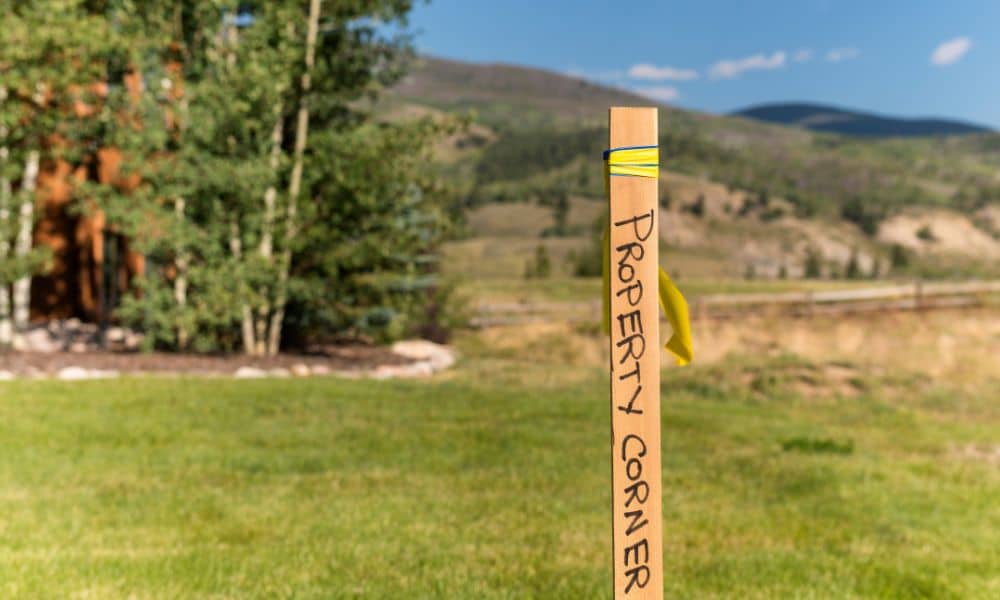
- Wooden stakes left from older surveys
- Small metal caps slightly above or below the soil
Some markers sit just under the surface. Others get covered by grass, dirt, or landscaping work. That is why they often go unnoticed.
Where Property Line Markers Are Usually Found
Markers are not random. They follow the shape of your property.
You will often find them at:
- Corners of your lot
- Points where the boundary changes direction
- Edges near roads, sidewalks, or driveways
- Lines where fences or trees already follow a pattern
Older properties can be tricky because fences and landscaping may not match the true boundary.
How to Find Property Line Markers Step by Step
Check your property documents first
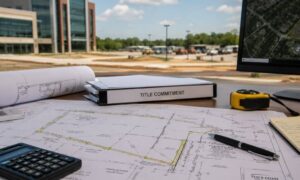
Start with your survey, plat map, or closing papers. These show the size and shape of your land. They may not show exact marker spots, but they guide your search.
Start from a known point
Pick one reliable point, such as:
- A driveway corner
- A sidewalk edge
- A marker you already found
Then work outward along the boundary line.
Measure along the boundary
Use a tape measure or simple pacing to follow distances from your documents. This helps narrow down where markers should be located.
It does not need to be perfect. It only helps you focus your search.
Look closely at the ground
Walk slowly and watch for small signs such as:
- Small metal circles
- Slight dips or bumps in soil
- Changes in grass pattern
- Plastic caps near ground level
Markers blend into their surroundings, especially in older yards.
Use a metal detector if needed
If you cannot see anything, a metal detector can help find buried metal pins. Focus on corners and expected boundary paths. Once you get a signal, clear the soil carefully to confirm it.
Mark each point you find
Once you locate a marker, do not lose it again. Use:
- Flags
- Wooden stakes
- Temporary paint
This helps you connect all points clearly before building.
Why Property Line Markers Go Missing
Markers often exist but become hidden over time.
Common reasons include:
- Lawn mowing and landscaping covering them
- Construction or digging shifting soil
- Rain and erosion changing ground level
- Older surveys where markers have worn down
Most of the time, the marker is still there. It is just harder to see.
Common Mistakes Homeowners Make
Many problems happen because of simple assumptions.
Avoid these mistakes:
- Assuming fences show the real boundary
- Relying only on online maps
- Guessing distances instead of measuring
- Stopping after finding only one marker
One marker does not confirm the full property line. Every corner matters.
When Property Line Markers Are Not Enough
Sometimes the layout does not make sense.
Warning signs include:
- Markers that do not line up straight
- Missing corners or only partial markers
- Differences between land shape and documents
- Nearby structures too close to the edge
When this happens, it is safer to stop and confirm before building anything.
Final Checks Before Building
Before you build a fence or driveway, double-check everything:
- Confirm all corner markers are found
- Check that boundary lines are straight
- Measure distances between points
- Make sure your plan stays inside your property
Even small mistakes can lead to costly fixes later.
When to Get Professional Help
If anything feels uncertain, do not guess. A licensed land surveyor can confirm exact property boundaries using official records and precise field tools.
This step removes doubt and helps prevent expensive mistakes before construction starts.