
Atlanta’s roads are changing fast. The I-285 Express Lane Expansion is one of the biggest transportation projects in Georgia right now. For every transportation engineer in the city, this project means much more than new pavement. It shows what the future of highway design and construction looks like — smarter, faster, and more connected.
Earlier this week, the Georgia Department of Transportation (GDOT) held public meetings about the new Westside Express Lanes. People who live and work near I-285 shared their thoughts on how the project will affect traffic and neighborhoods. Their feedback will help guide how the final design takes shape and how drivers will travel in the coming years.
A Big Change for Atlanta’s Perimeter
I-285, often called “the Perimeter,” is Atlanta’s main loop highway. It connects busy areas like Cumberland, Sandy Springs, and the airport. Every day, more than 260,000 cars and trucks drive on it, making it one of the busiest roads in the Southeast.
To help with traffic, GDOT plans to build barrier-separated express lanes along the west side of I-285. The lanes will run from Mt. Wilkinson Parkway in Cobb County to Benjamin E. Mays Drive in Fulton County. These new lanes will use tolls that change with traffic. When traffic is heavy, tolls will cost more; when roads are clear, tolls will drop. Drivers who pay can use the faster express lanes during rush hour.
For commuters, this means shorter trips. For engineers, it means designing roads that rely on technology as much as concrete.
How the Transportation Engineer’s Role Is Changing
Years ago, a transportation engineer mainly worked on lane layouts, signs, and pavement design. Today, their role is much more complex. Engineers now combine traditional design skills with data, software, and communication systems.
The I-285 project uses smart technology such as cameras, sensors, and digital message boards. These tools collect live traffic data and send it to GDOT’s control centers. Engineers monitor the data and can quickly change speed limits, post alerts, or adjust toll prices to keep traffic moving.
Because of this, transportation engineers need to understand both civil engineering design and data systems. They also work with GDOT, city and county departments, and private contractors. The modern transportation engineer is part designer, part analyst, and part communicator. Their teamwork helps make sure the highway runs safely and efficiently.
Smarter Design Leads to Safer Roads
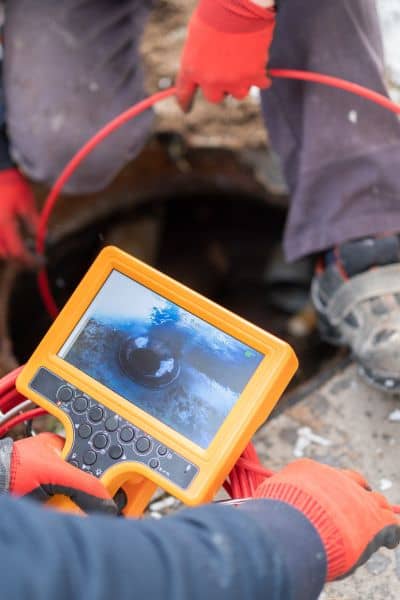
Adding new lanes might look simple, but it involves careful planning. Every new lane changes how rainwater drains, how slopes hold up, and how soil reacts beneath the pavement.
Engineers must design drainage systems that move water safely away from the road. They also create stormwater plans to prevent flooding and erosion control plans to protect the environment. Atlanta’s weather can change quickly, and one heavy storm could cause big problems if water isn’t managed correctly. A small design mistake can lead to flooding, traffic delays, or even road damage.
That’s why roadway, stormwater, and drainage engineers work closely together. Their teamwork keeps the highway safe for drivers and protects nearby homes and businesses.
New Opportunities for Local Civil Firms
Big projects like the I-285 expansion also create new opportunities for civil engineering firms. GDOT is using a Design-Build-Finance-Operate-Maintain (DBFOM) model. This means private partners help plan, build, and manage the project.
Large national firms lead the main work, but many smaller local firms handle key tasks such as traffic studies, land surveying, soil testing, drainage design, and utility relocation. These jobs are critical for keeping the project on time and within budget.
Local companies that want to join should follow GDOT’s updates and attend community meetings. Networking with larger contractors can open doors for long-term partnerships and future projects.
Challenges Below the Pavement
The biggest work often happens where people can’t see it. Beneath the road, engineers deal with old utilities, drainage pipes, and shifting soils that can slow down construction.
Geotechnical engineers test the soil to make sure it can support the new lanes. Structural engineers design bridges and retaining walls that can carry more weight and last longer. Each team depends on the other to make the entire system work.
If one part fails, the whole project can be delayed. That’s why testing, coordination, and constant communication are so important. Engineers must check every detail to make sure the design stays safe and strong from the ground up.
What Drivers and Property Owners Should Expect
While construction is happening, drivers can expect lane changes, detours, and slower traffic in some areas. GDOT plans to limit disruptions, but some delays are unavoidable. Once the express lanes open, travel will be smoother and faster.
People who live or own property near I-285 should stay updated on project news. Construction might affect driveways, parking areas, or drainage patterns. Checking GDOT’s website or speaking with a licensed civil engineer can help homeowners understand any risks and plan early.
If you visit one of GDOT’s open houses, ask questions about stormwater systems, construction schedules, and noise barriers. Staying informed helps residents prepare and gives engineers valuable local feedback.
Why This Project Matters for Atlanta’s Growth
Atlanta keeps growing every year. More people, new businesses, and expanding neighborhoods all mean more cars on the road. Projects like the I-285 Express Lanes show how Georgia is using smart design to keep up with that growth.
Transportation engineers now use computer models to predict traffic and find solutions before problems happen. They design road networks that share information across cities and counties, making travel safer and more efficient.
This type of forward planning doesn’t just fix today’s traffic jams — it prepares Atlanta for the next 20 years. It also supports jobs, housing, and business growth all across the region.
A New Era for Transportation Engineers
The I-285 Express Lane Expansion is more than a construction project. It’s part of a new era in engineering — one where technology, design, and teamwork come together to improve daily life.
For every transportation engineer involved, this is a chance to lead change. They are helping shape the future by using innovation, creativity, and care for the community. From storm drains to digital traffic sensors, their work connects everything that keeps the city running.
As construction continues through 2026 and beyond, one thing is clear: transportation engineers are at the heart of progress. Their ideas and designs will decide how smoothly the city moves — and how well it grows for generations to come.