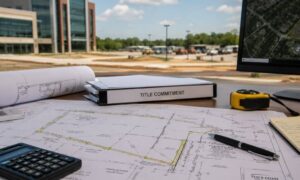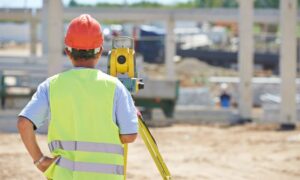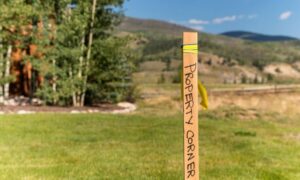

A homeowner plans to build a fence. Another wants to add a driveway. Someone else needs permit approval before construction can begin. Then the questions start.
Where are the actual property lines?
Will the new fence cross the boundary?
Does the permit office require a survey first?
That is when many people search for “surveyors near me”.
However, many property owners run into another problem before the survey even begins. They cannot find the documents the surveyor needs. As a result, projects slow down, permit reviews get delayed, and confusion starts growing before field work even begins.
If you plan to build, sell, divide land, or improve property, preparing a few important documents ahead of time can save time, money, and frustration.
Why Should You Prepare Documents Before Calling a Surveyor?
Before calling surveyors near me, property owners should gather deeds, old surveys, permit paperwork, and building plans. These records help surveyors understand property boundaries faster, reduce delays, and improve accuracy before field work begins.
Why Preparation Matters Before Hiring a Surveyor
Land surveyors use property records to compare legal descriptions with what exists on the ground. The more information you provide, the easier it becomes to understand your property.
For example, old fence lines may not match legal boundaries. Driveways may sit near easements. In some cases, older plats or hidden markers help surveyors locate important boundary information faster.
Without documents, surveyors often spend extra time researching before field work even begins. As a result, projects may take longer than expected.
That is why preparation matters from the start.
What Documents Do Surveyors Need First?
Most surveyors first ask for the property deed, old surveys, plats, permit paperwork, and building plans. These documents help identify lot boundaries, easements, setbacks, and past improvements before survey crews arrive on site.
Start With Your Property Deed
Your property deed is one of the first documents a surveyor may request.
The deed contains the legal description of the property, including lot numbers, subdivision names, property dimensions, directions, and references to plats or easements.
Most homeowners keep the deed inside closing paperwork from when they purchased the property.
If you cannot find it, do not panic. You can often request a copy through county land records or your title company.
Even so, having the deed ready before calling surveyors near me can help move the process forward much faster.
Look for an Old Survey or Plat
Many property owners forget they already have an older survey stored somewhere at home.
Sometimes it sits inside closing folders, loan paperwork, permit files, builder packets, or home purchase records.
An older survey can help surveyors compare:
- existing corners
- fence locations
- driveway positions
- utility easements
- previous improvements
Even if the survey is several decades old, it still provides valuable information.
In fact, older plats often help surveyors understand how the property changed over time. This becomes especially helpful in older neighborhoods where fence lines, sloped lots, and aging property records sometimes create confusion during property improvements or permit reviews.
Why Do Building Plans Matter Before a Survey?
Building plans help surveyors understand where fences, garages, driveways, pools, and additions may sit on the property. This helps identify setback concerns, easement conflicts, and possible boundary problems before construction begins.
Gather Any Fence or Building Plans
If you plan to build something, let the surveyor know early.
This may include:
- fences
- garages
- sheds
- retaining walls
- pools
- home additions
- driveways
Many homeowners search for surveyors near me because they want to avoid future property disputes. However, surveyors also help owners understand setback distances and improvement locations before construction starts.
For example, a fence may appear correct visually but still cross a legal property line. Likewise, a garage may sit too close to a setback area.
Building plans help surveyors understand the purpose of the project before field work begins. As a result, crews can focus on the areas that matter most.
Save Any Permit or Site Plan Documents
Some homeowners already started permit paperwork before contacting a surveyor.
If that happens, keep those records nearby.
Permit offices may request:
- lot dimensions
- setback measurements
- property boundaries
- drainage details
- easement information
Surveyors often work closely with engineers, contractors, and permit offices during development projects. Therefore, sharing permit paperwork early helps everyone stay on the same page.
This becomes especially important for:
- corner lots
- sloped land
- older neighborhoods
- properties near utility lines
Can Photos and Property Markers Help a Surveyor?
Yes. Photos of fences, markers, tree lines, retaining walls, and disputed areas can help surveyors understand site conditions before arriving on the property. Known corner markers may also speed up field work.
Mark Known Property Corners if Possible
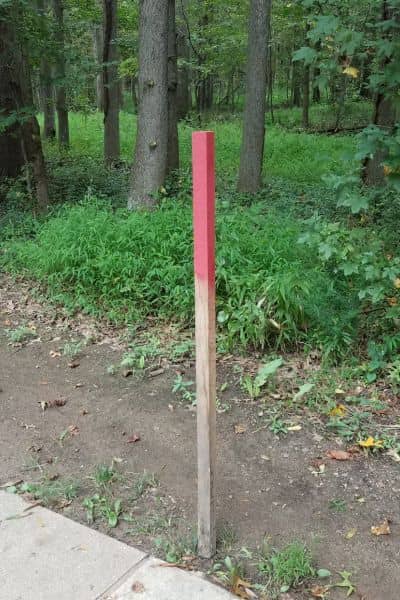
You do not need to locate every marker yourself. Still, if you know where some corners exist, tell the surveyor during the first call.
For example, you may know:
- where an iron pin sits
- where an old stake exists
- where previous survey flags appeared
- where a fence corner begins
Small details like these often help field crews understand the property faster.
Additionally, if you recently spoke with neighbors about property lines, mention that during the conversation. Good communication often prevents confusion later.
Take Photos of Problem Areas
Photos also help surveyors prepare before field work starts.
Simple phone pictures work perfectly fine.
Try to photograph:
- fence lines
- driveway edges
- drainage problems
- tree rows
- retaining walls
- disputed corners
- old markers
These photos help surveyors understand what they may find on site. More importantly, they help explain why the survey is needed in the first place.
Be Ready to Explain Why You Need the Survey
Not every survey serves the same purpose.
Some owners may need:
- boundary surveys
- topographic surveys
- construction staking
- elevation information
- subdivision surveys
Others simply want peace of mind before starting a project.
When you call surveyors near me, explain the goal clearly.
For example:
- “I want to install a fence.”
- “I need permit approval.”
- “My neighbor questions the property line.”
- “I plan to buy vacant land.”
- “I want to divide property.”
The clearer the explanation becomes, the easier it is for the surveyor to recommend the right service.
Why Preparation Can Save Time and Money
Many people assume survey work only begins once crews arrive on the property.
That is not true.
Research often begins first.
Surveyors review deeds, plats, easements, maps, and public records before field work starts. Missing information can slow down the process and increase research time.
On the other hand, organized property owners often help projects move faster. That may reduce delays, repeat visits, and additional costs later.
A Little Preparation Goes a Long Way
Searching for surveyors near me usually means something important is about to happen.
Maybe you plan to build a fence. Maybe you need permit approval. Or maybe you simply want to avoid a future property dispute.
No matter the reason, preparation helps the process move smoothly from the beginning.
Before making the call, gather your deed, old surveys, permit paperwork, and building plans if available. Then explain your project clearly and share any concerns about the property.
Those simple steps can help surveyors work faster, reduce confusion, and keep your project moving in the right direction.
A little preparation before calling a surveyor can prevent weeks of delays once construction, permits, or property disputes begin.